Showing posts with label cloth diapers. Show all posts

Wednesday, June 3, 2015

Why Cloth? An Opinion Piece.

Outside of my blog, cloth diapers and cloth pads really don't come up in conversation all that much.  It's just my "normal" - I don't expect those using disposables to scream it from the rooftops, so why should I?  I'm an advocate for this "lifestyle choice," but I advocate for cloth through this medium - a blog - not sandwich boards and flyers to my friends, family, and co-workers.

But when it does come up, my friends and family recoil.  Laugh.  Grimace.  I get responses like "Eww," "How gross," and "Why????"  Oddly enough, my husband and father - two manly men - have been the only ones to not be "grossed out" by my decision to pursue reusable products.  Even my sisters and mother have been weirded out by the concept of RUMP's (reusable menstrual products) and cloth diapers.


So, out of frustration, I'm writing this.  I feel, somewhere deep down, like this choice needs to be JUSTIFIED.  Why?  I don't know - perhaps society's view that anything outside of the "norm" is in some way threatening to peace and prosperity?  The world around me seems to think I'm some sort of crack-pot who sunbathes naked in my backyard and eats insects for breakfast, all because I don't buy into highly processed, chemically laden,  plastic diapers and pads.

Why am I against disposables?

It take 800 years for a disposable sanitary pad or diaper to decompose in a landfill.  800 YEARS.  The diapers that I used as a baby are sitting somewhere, right now... Still.  That's disgusting.  In fact, some studies suggest that a pad (much smaller than a diaper) contains the same amount of plastic that is in FOUR plastic grocery bags.

What are disposables made of, you ask?  Here's the interesting thing: Major producers like Always and Kotex don't disclose the contents of their sanitary products because in the United States they are classified as "medical devices" and can get away with a lack in transparency.  They will admit that their products have patented synthetic absorbent materials (Always, for example, will admit to having Infinicel in their pads... what that is, I have no clue), but that's it.

Through the investigation of those like me who are frightened by the lack of information on disposable products, it's been determined that disposable sanitary napkins and tampons contain things like dioxins, synthetic fibers and petrochemical additives.  Do you know what those things are?  Probably not.

Here's the simple explanation: The contents of feminine hygiene products include small amounts of chemicals that can cause skin irritation, embryonic development issues, reproductive problems, heart disease, and organ damage.  Disposable diapers treated with chlorine can also have trace amounts of dioxins as well, which are classified as a "likely human carcinogen" ... and to those of you that don't know, carcinogen = cancer causing.  Now, to be fair, many of these chemicals are present in TINY amounts so the chances of getting an illness is exceptionally minimal.

However... TSS, Toxic Shock Syndrome, is a concern that I just can't ignore relating to the use of disposables.  This sometimes deadly disease is frightening and 100% preventable - While rare, this illness has frightening consequences.  Get more details on TSS by clicking here.


Have I "converted" anyone to cloth?

Yes, I have.  A coworker of mine just ordered her first cloth pad last week.  My father has bought me so many cloth diapers that I barely had to invest in my daughter's stash.  My husband is a SAHD and he deals with more cloth diapers than I do.

Here's the thing though - "converting" people to cloth isn't a sign that cloth use is accepted by the general public and I'm not collecting a headcount of "conversions" to prove my point.  The majority of people that I talk to aren't open to cloth - plain and simple.  They would rather not deal with IT.  "It" being blood, feces, and urine... The idea of reusable products is distasteful to people because it means greater contact with bloody fluids that our society has deemed shameful or gross.

Those of us that use cloth are a minority.  While I will mention these types of products to the people I love and trust, it's not something that most of them are willing, even in the hypothetical, to consider.  This concept of reusable cloth products will be new to the vast majority of the people I talk too - so I explain it if they're open to it, and hopefully it will get them thinking.

But cloth products are SO expensive!

For the cost of 2 cloth diapers, I could buy 60-100 disposables.  For the cost of 1 cloth pad, I could buy a pack of 45-60 disposables... But here's what you need to keep in mind when first buying reusable products.  THEY ARE REUSABLE.  In less than a month, all of those disposable diapers and pads I mentioned above?  Gone.  The 2 cloth diapers and 1 cloth pad?  Years from now, they'll still be here and still be working just as well as they did the day that I bought them.

Reusables are an investment.  Don't let the sticker shock stop you - Buy slowly if you need to.  I spent most of my pregnancy stocking up on cloth diapers & accessories.  Can you sew?  Make your own cloth products!  There are so many tutorials on blogs and YouTube to walk you through the basics, and DIY'ing can save you tons of money.

Do your research & Don't knock it 'till you try it

If you're reading this and you've never tried a cloth product, get over the "gross" factor and do your research.  Get on YouTube and watch a tutorial on how to clean a cloth pad.  Read one of my posts on cloth diapering and what you need to give it a shot.  

Bottom line: reusable cloth products are safer for your family - that's the honest truth.  Don't knock it 'till you try it.  I have loved the experience with both my daughter and myself.  Cloth diapering is FUN.  The prints are beautiful and she's had so few diaper rashes that I'm angry I didn't do this with my son.  Cloth pads have made a formerly miserable experience (having a period) exciting - I can't wait to try my new Yurtcraft pads this month!  I'm also a lot more "in tune" with my body now, which is a priceless and empowering thing, don't you think?


http://topmommyblogs.com

Saturday, May 30, 2015

Cloth Diapers: Off Brand vs. Name Brand

Today we're going to talk about these "Ebay" diapers.  They are off-brand diapers that you can buy for less than $2 each (on EBay, hence the name I've given them!).  Incredibly cheap and often made of similar materials as brands like Kawaii, Thirsties, bumGenius, etc... these seem like a win/win - Cheap and effective... Right?  Not so much.

I'm not going to mention specific sellers or bad mouth anyone here - some of you may find these budget diapers to work perfectly for you and your baby.  I, however, have had some issues.  Here we go!


For this post, I'll be comparing my cheapest "name brand" one-size pocket diaper, a Kawaii Baby Cross-Over Squared Tab Pocket Diaper that cost $7.15, to an off-brand "cheapy" one-size pocket diaper that I purchased from EBay for $1.60.  

Below is a shot of the two diapers laying out flat - Perhaps it isn't as visible, but can you tell how bunched up the Kawaii diaper is, while the cheaper one is almost laying completely flat?  Both diapers claim to fit babies 8-36 pounds, but the Kawaii diaper is WAY larger and will likely fit my daughter for much longer... Not that this was a total loss though.  The EBay diaper actually fit my daughter when she was a newborn, while the Kawaii was far too big for her.


Now let's talk about the snaps.  Kawaii (and most other diaper companies) designed their one-sized diaper with three snap closures on each side of the diaper (this really helps with a one-sized diaper - seriously).  Two are for the fit at the waist and the third is for the fit at the thigh.  For a one-size diaper, this gives you the chance to adjust how the diaper fits based on the size of your baby.  The EBay diaper only has the two snaps at the waist, leaving you with less options for good fit... which allows for more shifting of the diaper around baby's thighs, thus increasing the chance of leakage.


One more thing about the snaps: I love the "pop" that you get when you secure a snap on a cloth diaper.  That "pop" lets you know that the diaper is secure... the EBay diaper has snaps that don't give you that "pop," and in fact, the snaps on these diapers tend to come loose.  Below is a shot of the diaper immediately after I put it on my daughter, with the outside snaps already pulling apart.


Another of my major issues with these cheap diapers is the leg gusset - the gathered area of fabric that fits around baby's thigh and groin.  This area needs to be snug and stretchy.  If it's not, the diaper won't work and you'll get leaks EVERYWHERE.  Here's the single gusset on both of these diapers - see the difference?  The cheapy diaper has an almost flat gusset!  The Kawaii diaper hardly ever has leakage problems.  The EBay diaper?  Every. Time.


Finally, since this is a post about pocket diapers, let's talk about the inserts and the actual "pocket" itself.  Both diapers came with two inserts - Kawaii sent microfiber, the cheaper diapers came with non-organic cotton.  The microfiber works better from an absorption standpoint... But even if you prefer cotton (which I do - preferably organic), look how massive that insert is!!!   It's incredibly ill-fitting for the diaper.  So much so, I don't even use it.  I have to fold it multiple times (both length and width) to get it inside the pocket, which drives me NUTS.


The pocket on the Kawaii diaper also has a lip of fabric that stops the insert from shifting out of the back of the diaper - we've had a few issues with the cheaper diapers, where the insert slid out of the diaper and started rubbing against my daughter's back.  Not good.


Final thoughts?  If you really want to save money, go with quality over price.  Find a brand that actually works and are still cost effective, like Kawaii Baby.  If you want to splurge, grab one or two bumGenius, Rump-a-roos, or Thirsties - maybe even put a few on your baby registry and have other people buy them for you - that's what I did!  

There are also a lot of great WAHM shops on Etsy that carry really high quality, handmade diapers - and they aren't that expensive.  While each shop and maker is different, I'd rather risk the chance on a handmade diaper than a mass-produced cheapy diaper.


http://topmommyblogs.com

Saturday, May 23, 2015

Beach Bottom Cloth Pads

This post was super fun for me... But note that it talks about our "monthly friend," so if that makes you uncomfortable... well, we're all adults here, right?  If you're a regular to the blog, you know that I'm a HUGE advocate for cloth diapering.  But one thing that I've never touched on is the idea of reusable cloth pads... Yes - I said it: REUSABLE pads.  Ladies, it's a thing!

While some of us cloth moms will talk to anyone who will listen about diapering with cloth, it seems to be a much more taboo thing to discuss handling our own hygiene needs with a reusable product.  Why is that?  Disposable pads and tampons are just as expensive and harmful to the environment as disposable diapers are!


Beach Bottom is a small business based out of California, run by someone very much like me - A mom.  Jaime is fantastic and seriously creative, so please check out her store on Etsy  or the Beach Bottom Facebook Page to see all of the amazing reusable pads she has made by hand.  I love the idea of supporting small businesses, so this really is a win/win for me.  I even have a coupon code for you below, so stay tuned!

Below is a shot of three sizes in Beach Bottom's collection - Pantyliner, Light, and Moderate (there is also a "heavy" option).  A fun element of these is that all of the sizes have their own snap/closure color - pink of pantyliner, white for light, purple for moderate, and teal for heavy.  That way, when you're looking for the size you want, it's easy to find!


Fabrics: What are they made of?

Much like cloth diapers, cloth pads need to have both barrier layers and absorption layers.  Beach Bottom uses cotton, flannel, and micro fleece.  The fun fabrics that make up the top layer of the pads are 100% cotton.  Beach Bottom has numerous prints to choose from, all of them fun and bright - One of the reasons I like cloth diapering is that the diapers themselves are adorable, and the same can be said for cloth pads.  My favorite of Beach Bottom's options is the dream catcher design - super cute!

To absorb and retain liquid, the middle layers of the pads are cotton flannel.  Each size has a different level of absorption - Pantyliners, for example, only have a single layer of cotton flannel.  As you go up in size, more cotton flannel layers are added.


The bottom layer (the backing of the pad) is a soft micro fleece.  This helps to form a barrier from the liquid reaching your undergarments, and also serves to help anchor the pad in place - no one wants their pad slipping around as they go about their day, right?  Beach Bottom even incorporates fun colors for this part too.


How to Travel with Cloth Pads

As a cloth mom, I had several wet bags on hand that I use for my daughter's diaper bag.  When I went to work, all I did was put a small wet bag in my purse, snapped the used pads closed after use, and put them in the wet bag for sanitary storage until I got home.  It really wasn't any different than a disposable pad, only I threw nothing away.  If you don't want to buy a "wet bag," small makeup bags would be ideal for this too, and would easily fit in your purse or handbag.

Comfort and Use

I'm being 100% honest when I say that once I used these cloth pads, I knew I couldn't go back to disposables.  The cotton fabric is SO much more comfortable than the synthetic and bleached wood pulp or viscose rayon (ew) that disposable pads are made from - and Beach Bottom's pads are WAY less bulky than your typical pad.  I almost forgot I was wearing them... No joke!

I used the pantyliner as I was getting the indications that my cycle was coming, then the light and moderate once my cycle actually started.  I have a heavy flow, so these pads were most suitable for the first and last days of my cycle in order to limit any potential staining to my clothing - the days in between would have been ideal for the heavy pad (I'm heading over to Beach Bottom's store to load up on heavy pads soon!).


Clean Up

But, while all of this is great, I haven't brought up why most women don't want to try a cloth pad... the clean up.  It's the same with any reusable hygiene product - people don't want to see it or touch it, so they just keep using synthetic and bulky disposables.

So here's the truth - hand washing for all three took less than five minutes and was amazingly simple.  The care instructions that Beach Bottom sent over said that the pads were machine washable following a rinse, and could be dried in a conventional dryer (Beach Bottom pre-washes all fabrics so potential shrinkage is minimal).  I, however, opted to hand wash to see how it would go.  As directed, I used cold water to limit staining.  I started with rinsing out all three pads until the water in my sink ran clear.  

At that stage, I opted to use OxyClean (a handy product for cloth diapers as well) with a tiny bit of my plant-based cloth diaper detergent and scrubbed the powder into the fabric with my fingers, then rinsed again.  All signs of possible staining were gone and the fabric looked just as great as it had before use.  Below are the pads following wash, laid out flat to air dry:


Final Thoughts & Coupon Code!

I wouldn't recommend anything if I didn't love the product - and seriously, I LOVE Beach Bottom's pads.  They are adorable, comfortable, easy to clean, and super cost effective considering how long you'll be able to use them.  I am thoroughly impressed with the quality of the product and I know that I'll be a customer for a long time.

In celebration of Memorial Day, Beach Bottom is offering 10% off all products this weekend using the coupon code NYU2015.  It's a limited offer, so don't wait!  This limited offer has expired!  But don't worry - Beach Bottom's cloth pads are actually much more cost effective than other cloth pads out there, so still check them out!

Beach Bottom's Etsy Store

Beach Bottom's Facebook Page

Beach Bottom on Instagram


Images Copyright Beach Bottom


http://topmommyblogs.com

Sunday, April 12, 2015

The One-Size Cloth Diaper Debate

I think that all of us parents can agree that saving time and money is an ideal goal for anything.  We're already running around like crazy and wasting our precious resources on something that doesn't make our lives easier?  Insanity!  

When it come to cloth diapering, one might assume that buying "one-size" options is the money saving way to go - these diapers can "grow with your baby," right?  Well... maybe.
 

The basic idea behind a one-size cloth diaper is that, through a series of snap closures, you can adjust the way the fabric is secured around your baby - this allows for a hypothetical 8lb baby to fit into the same diaper as a hypothetical 30lb toddler.  But does it really work as easy as that?

In my experience, I've only dealt with BIG babies.  My son was born weighing in at a burly 9lb 4oz, and my daughter at a slightly more modest 8lb 0oz.  Even under those circumstances - where the newborn was actually larger than the typical minimum weight for a one-size diaper (8lbs) - the diapers were far too bulky and just not practical at first.  My kids used newborn specific cloth diapers for at least the first month, if not a little longer.

I currently have a two month-old (the daughter I mentioned earlier) and she's only just now wearing the one-size diapers from our stash.  She's about 12lbs now - and in my experience, the 12lb mark is generally the smallest that I feel confident with.  A poor fit (i.e. a too big diaper on a too small baby) can lead to leaking, and, in the words of my idol Sweet Brown:

What brands work best on small babies?

There is some variation on the sizes of one-size diapers... as odd as that sounds.  I've found that buying the "cheapy" brands off of eBay (try this link) generally results in slightly tighter fits - of course, they will also fit tighter as your child grows, so they won't last as long.  Snaps on these are also lower quality, so buy at your own risk.

If you want to be sure your diapers are either locally made or if you're a "name brand" kind of parent, the Rum-A-Rooz OS diaper fits a lot more snug on my kids than others and has a really adjustable fit around the legs if your baby has "thunder thighs" like mine did/do.  Kawaii Baby OS diapers are a great option for parents on a budget - these work okay as well, though still a bit bulky on a 12-13lb baby.

What does a OS cloth diaper look like on an infant?

This is my daughter in a Kawaii Baby OS - as I mentioned above, she weighs 12lbs now.  This diaper, hypothetically speaking, should fit an 8lb newborn... and to be honest with you, I can't buy into that.  Yes, there are smaller adjustments to the fit at the waist and thigh than what she's wearing here, but you'd force that poor newborn into doing the splits with all that bulk - Do you see what I mean? 

http://topmommyblogs.com

Tuesday, March 10, 2015

Why do my cloth diapers stink?

One common problem that cloth parents face when newer to cloth diapering is a lingering "bad smell" that clings to diapers even after washing.  There are a number of potential causes to this problem, so let's do a little problem solving to see what might be happening to YOUR diapers.

Detergent and Water Temperature

Many cloth parents are driven to cloth diapering out of a desire to be more"natural" and limit harmful toxins or chemicals getting onto baby's skin.  As a result, a lot of parents go into the diaper washing process thinking that they shouldn't use a lot of detergent.  Detergents can leave residue on diapers, so by limiting the detergent, you're helping your diapers and your baby... right?

I completely disagree with this - It's extremely important to WASH your diapers.  This means that you need a cleaning agent to cleanse the fabric of baby's waste - if you don't use enough, the diapers will not be sufficiently clean.  Period.  It is important to know what a "safe" detergent is for your baby and the fabric of your diapers, so check out my post on cloth diaper detergents to guide you.

The temperature that you're using when washing your diapers is almost as important as the detergent - for natural fibers, HOT is best - in fact, the hotter, the better.  For synthetic fabrics, be sure to read manufacturer instructions when you buy your diapers - what's good for one fabric may not be good for another!
http://amcozy.blogspot.com/2015/01/diy-or-buy-cloth-diaper-detergent.html

Waiting Too Long To Wash

Just as important as actually washing your diapers, you also need to create a schedule for yourself on the frequency that your cloth diapers are actually making it into the washer.  It's not realistic to expect that you would wash diapers daily - that would drive me NUTS - but you also can't only wash them once a week either.

The reason that it's important to wash your diapers every 2-3 days is because the waste that your baby produces can begin to breakdown the fabric of your diapers and also cause the smell of baby's waste to sink into the fabric and stick around for a while.  By washing every 2 or 3 days, you are getting the waste off the fabric in time that it doesn't do any damage or leave a lingering smell behind.

Neglecting "Prep" for Wash

Another key step in the "de-stink" process for a cloth diaper is clearing it of the solid waste prior to putting it in your diaper pail.  Whether you choose to spray the waste away, use a wipe to remove it, or use liners to catch the waste for removal, be sure to do SOMETHING to remove it so that the majority of it isn't just sitting in your pail.  This is, firstly, gross - imagine the smell that would create!  Second, as I said before, the waste that your baby produces can begin to breakdown the fabric of your diapers and cause a lingering smell.

Obviously you can't get everything out and your baby's urine will be there regardless, but do your best to remove what you can quickly and then dump that bad-boy in your pail... and speaking of your pail - I am a believer in a pail that provides air flow to my diapers - my pail is a 13 gallon trash can with a swing-lid.  This means that my diapers have circulation of air moving in and out of the pail 24/7 - some moms don't want their bathrooms or nurseries to get smelly so they seal up their dirty diapers to avoid it.  In my experience, however, airflow helps to limit the smell both before AND after washes... but that's just me.

Build Up In Fabric

Sometimes, no matter what we do, "stink" begins to build up into our diapers - typically an ammonia-like smell.  This process usually takes a while and sometimes doesn't happen at all...  but if you're using diapers and noticing a weird smell that your normal wash routine isn't solving, you need to review your routine.  Sometimes it's tempting to "cut corners" to save time during the wash process - see if you're committing any of the above "diaper stink errors" and get back on track to avoid any further "stinkiness" and/or damage to your diapers.

In these cases, you will need to add an extra step to remove this build up of smell - One product that has become my friend is OxiClean.  {I am by NO means the first cloth parent to post about the wonders of OxiClean, so don't consider this my patented method, just friendly advice that worked for me!}  Soaking diapers in hot water overnight with a few scoops of OxiClean is like a miracle for bad smells.  Try the "Oxi-Soak" overnight and then wash your diapers (with an extra rinse beforehand) and you should see a huge improvement. 


http://topmommyblogs.com

Saturday, February 7, 2015

Guide to Natural Fabrics in Cloth Diapers

Like I've said time and time again, cloth diapering is NOT easy for the newbie cloth mom to wrap her head around (or the newbie cloth dad!).  The options are ridiculously varied and it does take a lot of trial and error to find what works for you and your baby.

One of the more confusing elements of cloth diapering are the fabric options - what's best?  What's cheapest?  Can best and cheapest be the same thing?  Are all of the options healthy for your baby's skin?

Because the options are so vast, I wanted to simply start with natural fibers - these are fabrics we're all familiar with to a certain extent, and all have a lot of great functionality when used in cloth diapering.  The most common natural fibers that you'll find available are cotton, bamboo, and hemp.  While others do exist, I like to keep things simple and these three are the staples of natural fibers in cloth diapering.
 
Cotton wins the "affordable" category - and probably will be the easiest to locate as well.  Cotton prefolds and flats are extremely common, come in organic and/or unbleached options, and are super cost effective.  Organic cotton is more expensive than bleached/processed cotton, but you can get still quite a lot of "bang for your buck" even in the organic area.

Cotton is also a very absorbent fabric once you've taken the time to properly prep the material (get the scoop on cloth diaper prep here), and is also very breathable.  "Breathable" is an important factor in cloth diapers because it means that the fabric will help to pull moisture away for baby's skin and lowers the occurrence of diaper rash.

While less readily available than cotton, bamboo is a fabric with a lot of additional benefits in cloth diapering.  Bamboo is a hypoallergenic fabric that is, in most cases, MUCH more absorbent than cotton.  This means that the parents of heavy wetters LOVE bamboo... In fact, I'll go ahead and give this fabric the win in "absorbency" for natural fibers.

This fabric is also antimicrobial and antibacterial.  This means that there is a lower chance of bad odors with bamboo, and that the fabric will help to naturally limit mildew.  Given it's high absorbency, this makes bamboo ideal for keeping moisture away for your baby and limiting diaper rash or skin infections.

Hemp is often considered to the be the champion of "durability" in cloth diapering.  This fabric can last a really long time - It is also easier to find than bamboo and many of the major cloth diaper companies offer hemp inserts and fitteds.

Breathable and absorbent, hemp is also often considered more effective for heavy wetters than cotton.  In addition to that, hemp is antimicrobial, so you'll get the benefit of limited odors with this fabric as well.

A key benefit to hemp is, however, the fact that hemp in nature is not grown in a manner that requires the use of pesticides.  This means that you don't need to worry about any nasty pesticides lingering in the fabric when you purchase (still prep this fabric, though!).


Want more "Cloth Diaper 101?"  Check out these articles from The Cozy Life:

http://topmommyblogs.com

Tuesday, January 27, 2015

All-In-One Cloth Diaper Comparison

As a cloth-mom looking to maximize savings on my cloth diaper purchases, it's really important that I know what I'm getting into before making a diaper purchase.  Clearly, every mom and every baby is different, so what works for others might not work for me, but I want to make sure I've done my research on other mom's experiences before I make a decision to buy.

So that's what we're talking about today - How to make a decision to buy a particular cloth diaper.  I am looking into All-In-One's (check out my guide to cloth diapers here) and how to decide which brand is right for you.  I wanted to look at three different major cloth diaper brands to see how they measured up against each other - I chose bumGenius, Thirsties, and Blueberry.

What to Consider

Reviews:  What do other moms say about these diapers?  Sometimes online reviews will give you more information than anything else when considering which diapers to buy.  I try to balance both the good and the bad, getting as equal an opinion as I can.
  • bumGenius: On Diaper Junction, one reviewer said that the elemental AIO was "SO much more beautiful in person than I ever could have imagined. The elementals are super absorbent and I'm able to add more absorbency as needed for naps/night time which is awesome too!"  On Kelly's Closet, a different review gave a slightly less positive opinion, saying that "this diaper is ok. No leaks, but getting it on is tough because the layers don't lay flat on the smaller settings. It also takes ForEVER to dry."
  • Thirsties: I found a great review on Diaper Junction for this one: "We have both Thirsties AIO size 1s and Thirsties one-size AIOs in our diaper stash. The benefit of the redesign is that these dry so much faster than the sized type that had the tunnel design - no need to turn inside out to fully dry anymore. The downside is that they don't fit our baby quite as well as the size 1s. It will pay off in the long run, though, with not having to buy extra sizing as she grows. Haven't been able to use these at night without leaking around thighs."
  • Blueberry: The first review I read on this diaper at Diaper Junction said that "this diaper seems nicely made, but it is bulky and already small on my 12 lb baby. I am on the second to last snaps on the top and medium rise. There is no way this will last to 30+ pounds."  On Kelly's Closet, on review said "I like how the soaker folds out for faster drying, and how you can add additional absorbency under the soaker for heavy wetters. However, these are on the pricey side, especially since the natural fabric they use is just cotton, and not something more absorbent like bamboo or hemp, which would justify the price a bit more"

Cost: AIO's tend to be at the top of the price range for most cloth diapers - Some brands dip below $20 per diaper, others above $30.  Let's see how these do:

Sizing and Closures:  Cloth diapering "basics" tell the informed mom that you can get a diaper in "one size" or diapers that are sized to a smaller weight range, and diapers that come with two forms of closures - Snaps and Velcro (aplix / hook and loop).  Many moms have a preference here, so this is really dependent on what you prefer.
  • bumGenius: The elemental AIO is a one-size option that comes in a 3x3 snap down design and adjusts the sizing to small, medium and large sizes (approximately 8-35 lbs.)  Snap Closures.
  • Thirsties: These come in two sizes - Size 1 is advertised to fit babies weighing 6-18lbs (6-8kg) and Size 2 18-40lbs (8-28kg).  You can select either Snaps or Velcro closures.
  • Blueberry:  This diaper is advertised to fit babies weighing 10-35lbs, with a waist range of 9-21" (23-53 cm), thigh range of 4-12.5" (10-32 cm), and rise of 13.5-18.5" (34-47 cm). Snap Closures.

Fabric: Some moms don't have a preference, others do.  I prefer natural fibers if I get them, but not every brand has the same options to pick from.
  • bumGenius: Six layers of organic cotton for absorbency inside the diaper (next to baby) with an outer waterproof synthetic layer.
  • Thirsties: Internal trim-fitting soaker with three layers of absorbent microfiber terry, a stay-dry microfleece liner, and an outer waterproof synthetic layer.
  • Blueberry:  This diaper has a synthetic waterproof outer layer and 10 layers of 100% cotton birdseye fabric in the wet zone.  

 How do you make your choice?

This is the hard part - which one will end up being best for you?  Blueberry's option is just too pricey for me, so it's out.  Thirsties sounds like a great option that matches cost with decent reviews... but it lacks organic materials like bumGenius. 

The middle ground then, in my opinion, is the elemental AIO from bumGenius - organic cotton, reasonable pricing, and it has the closure/fit options that I prefer.  But another mom might go a completely different way - That's the benefit of cloth diapers.  You're able to try different things out and narrow-in on what works best for you and your baby.

Which would you pick?

http://topmommyblogs.com

Wednesday, January 21, 2015

What Cloth Diaper Is Right For You?
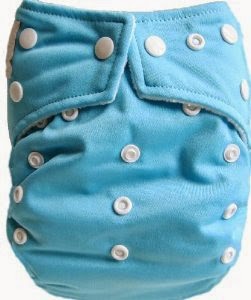
One thing that can be exceptionally overwhelming about jumping into cloth diapering is the VARIETY.  When you're buying disposables, it's simply a matter of size.  Some moms have preferred brands, but otherwise it's a very simple process of selecting a number, usually 1-6, and taking the diapers to the check-out counter.

Cloth diapering, however, has a myriad of options that, at first, can be extremely hard to understand.  How do you know what to buy if you've never done it before?  While you'll need to research TONS of different topics (detergents, wipes, prep, etc), it's often easiest to start with one simple question: What types of cloth diapers can I buy?

Flats 

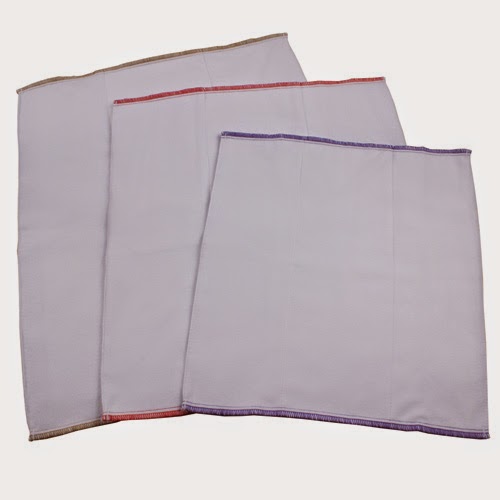
These are, as you many have guessed, flat diapers (think "old school" cloth diaper).  They are a sheet of absorbent fabric that you fold and fasten around your baby.  These come in a number of different fabrics, most commonly hemp and cotton.  They are inexpensive for the most part, but also require accessories in order to function.  With flats, you are dealing with just a sheet of fabric - it's not waterproof and it has no closures or fasteners to hold it together.  Nowadays, flats are most commonly used with snappi (or similar) fasteners and waterproof diaper covers.

Shopping resources for Flats:

Prefolds 

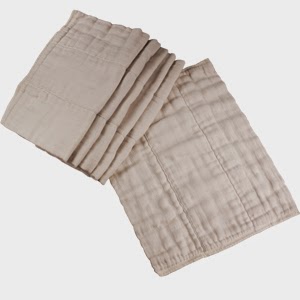
Much like flats, prefolds are a sheet of absorbent fabric that is folded and fastened around your baby.  They are different from flats in that they come "pre-folded" (hence the name).  Typical prefolds have a central panel that is much thicker than the outer sections, providing additional absorbency.  As with flats, prefolds need a few accessories in order to work as a diaper, given that they are not waterproof and have no closure to hold them together.  Snappi's and waterproof diaper covers do the trick with these as well.

Shopping resources for Prefolds:
http://www.clothdiaper.com/cloth-diapers/Prefolds/Indian-Prefold-Diapers-Unbleached-dozen.html http://www.momsmilkboutique.com/cloth-diapers-Thirsties-Hemp-Prefolds.html

Fitted

Another form of cloth diaper that doesn't have a waterproof layer, fitted diapers are generally made from the same materials used for flats and prefolds: cotton, hemp, etc.  These, however, actually LOOK like a diaper.  Where flats and prefolds need to be folded and fastened into shape, fitted diapers come already shaped, have closures, and are available in different sizes to offer a good fit for your baby.  You would need to place a waterproof cover over the top of a fitted in order to avoid leakage.

Shopping resources for Fitteds:
http://www.kissaluvs.com/fitted-diapers.php http://www.rgnaturalbabies.com/i_158/Tiny-Tush-Trim-Organic-Cotton-One-Size-Fitted-Cloth-Diapers.htm

Diaper Cover / Diaper Shell

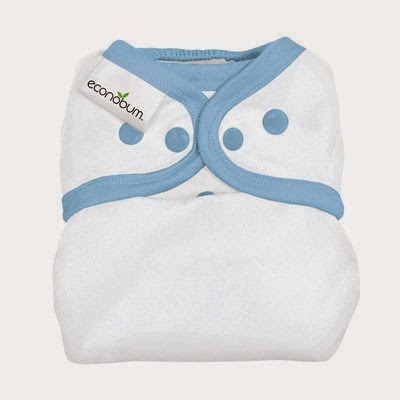
A "cover" lacks any absorbent layers and is just the shell utilized with flats, prefolds, and fitted diapers in order to make them waterproof.  Most covers are made using TPU and PUL, synthetic fabrics that come in a variety of patterns and colors, and have either velcro or snap fasteners built into them.  Used alone, these would do nothing for your baby - they absolutely must have an absorbent diaper under them in order to function.  These can be purchased in specific sizes, or in adjustable "one size" options.

Shopping resources for Covers/Shells:
https://www.cottonbabies.com/product_info.php?products_id=4891&gclid=Cj0KEQiAuf2lBRDW07y3z6f96awBEiQA0IngJi3FP2iH2WrCcqOi6KtbvrlBDdVX5SNHnsLgx8WQSzAaAmmr8P8HAQ http://www.rakuten.com/prod/grovia-cloth-diaper-shell-snap-limited-edition-wee-gallery-prints-up/268991373.html?sellerid=38374129&sclid=pla_google_LaStellaBlu&adid=29963&gclid=Cj0KEQiAuf2lBRDW07y3z6f96awBEiQA0IngJhiZpLVMV2IQuOr-Fme77t4c_CzUJSxVdIJxxk2vFcAaAiLl8P8HAQ

Pocket

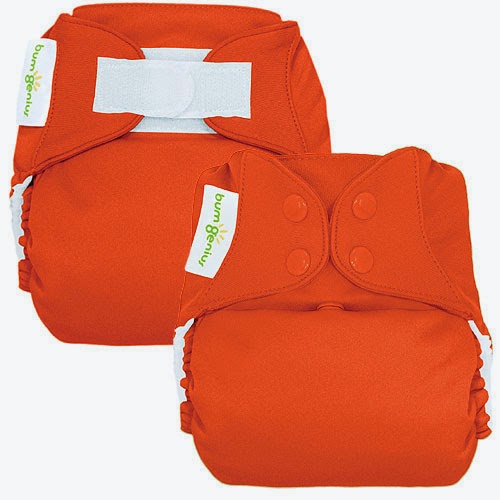
Pocket diapers have a waterproof shell with closures and a soft inner liner, typically microfleece, that then needs to be stuffed with a diaper insert for absorbency.  Inserts come in a variety of fabrics and you can generally swap out most inserts and use them for multiple diapers, or use multiple inserts at a time for added absorbency.  Most brands offer pocket options in single sizes and "one size" adjustable options.

Shopping resources for Pockets: 
http://www.amazon.com/Kawaii-Baby-Pocket-Diaper-Microfiber/dp/B009M9F8N4  http://www.bumgenius.com/style/bumgenius-stay-dry-4-0/

All In One (AIO)

This diaper is the most similar cloth option to a disposable - this is because it's waterproof, absorbent, and has closures all in one piece, with nothing to add, stuff, or layer.  Like pockets, AIO's can come in single sizes and "one size" adjustable options.  These are also, generally speaking, the most expensive of the cloth diaper options on the market.  Another downside is dry time - because these diapers have layers of absorbent material and the outer shell all connected together, they will take longer than other cloth diapers to dry after washing.

Shopping resources for AIO's:
http://www.kellyscloset.com/Thirsties-Individual-Ocean-Collection-One-Size-All-In-One_p_5475.html http://www.kangacare.com/Lil-Joey-Newborn-Cloth-Diapers.html


All In Two (AI2) / Hybrid

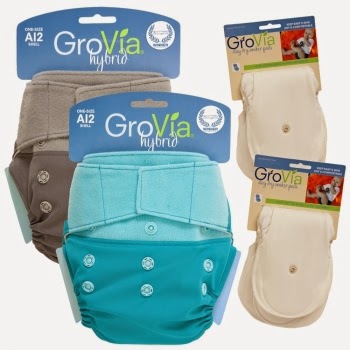
All In Two diapers are, in my opinion, a kind of cross between a pocket diaper and an AIO.  They look a lot like an AIO, but their inner absorbent layer can be detached and replaced.  While that might sound A LOT like a pocket diaper, AI2's outer layer can often be reused once the soiled insert is detached, where a pocket diaper (and an AIO) must be completely replaced at each diaper change.

Shopping resources for AI2's:
http://www.diaperjungle.com/GroVia-Experience-The-Gro-Package.html http://www.gdiapers.com/shop/gpants-diaper-covers/great-orange-gpants

http://topmommyblogs.com