Showing posts with label saving money. Show all posts

Saturday, May 30, 2015

Cloth Diapers: Off Brand vs. Name Brand

Today we're going to talk about these "Ebay" diapers.  They are off-brand diapers that you can buy for less than $2 each (on EBay, hence the name I've given them!).  Incredibly cheap and often made of similar materials as brands like Kawaii, Thirsties, bumGenius, etc... these seem like a win/win - Cheap and effective... Right?  Not so much.

I'm not going to mention specific sellers or bad mouth anyone here - some of you may find these budget diapers to work perfectly for you and your baby.  I, however, have had some issues.  Here we go!


For this post, I'll be comparing my cheapest "name brand" one-size pocket diaper, a Kawaii Baby Cross-Over Squared Tab Pocket Diaper that cost $7.15, to an off-brand "cheapy" one-size pocket diaper that I purchased from EBay for $1.60.  

Below is a shot of the two diapers laying out flat - Perhaps it isn't as visible, but can you tell how bunched up the Kawaii diaper is, while the cheaper one is almost laying completely flat?  Both diapers claim to fit babies 8-36 pounds, but the Kawaii diaper is WAY larger and will likely fit my daughter for much longer... Not that this was a total loss though.  The EBay diaper actually fit my daughter when she was a newborn, while the Kawaii was far too big for her.


Now let's talk about the snaps.  Kawaii (and most other diaper companies) designed their one-sized diaper with three snap closures on each side of the diaper (this really helps with a one-sized diaper - seriously).  Two are for the fit at the waist and the third is for the fit at the thigh.  For a one-size diaper, this gives you the chance to adjust how the diaper fits based on the size of your baby.  The EBay diaper only has the two snaps at the waist, leaving you with less options for good fit... which allows for more shifting of the diaper around baby's thighs, thus increasing the chance of leakage.


One more thing about the snaps: I love the "pop" that you get when you secure a snap on a cloth diaper.  That "pop" lets you know that the diaper is secure... the EBay diaper has snaps that don't give you that "pop," and in fact, the snaps on these diapers tend to come loose.  Below is a shot of the diaper immediately after I put it on my daughter, with the outside snaps already pulling apart.


Another of my major issues with these cheap diapers is the leg gusset - the gathered area of fabric that fits around baby's thigh and groin.  This area needs to be snug and stretchy.  If it's not, the diaper won't work and you'll get leaks EVERYWHERE.  Here's the single gusset on both of these diapers - see the difference?  The cheapy diaper has an almost flat gusset!  The Kawaii diaper hardly ever has leakage problems.  The EBay diaper?  Every. Time.


Finally, since this is a post about pocket diapers, let's talk about the inserts and the actual "pocket" itself.  Both diapers came with two inserts - Kawaii sent microfiber, the cheaper diapers came with non-organic cotton.  The microfiber works better from an absorption standpoint... But even if you prefer cotton (which I do - preferably organic), look how massive that insert is!!!   It's incredibly ill-fitting for the diaper.  So much so, I don't even use it.  I have to fold it multiple times (both length and width) to get it inside the pocket, which drives me NUTS.


The pocket on the Kawaii diaper also has a lip of fabric that stops the insert from shifting out of the back of the diaper - we've had a few issues with the cheaper diapers, where the insert slid out of the diaper and started rubbing against my daughter's back.  Not good.


Final thoughts?  If you really want to save money, go with quality over price.  Find a brand that actually works and are still cost effective, like Kawaii Baby.  If you want to splurge, grab one or two bumGenius, Rump-a-roos, or Thirsties - maybe even put a few on your baby registry and have other people buy them for you - that's what I did!  

There are also a lot of great WAHM shops on Etsy that carry really high quality, handmade diapers - and they aren't that expensive.  While each shop and maker is different, I'd rather risk the chance on a handmade diaper than a mass-produced cheapy diaper.


http://topmommyblogs.com

Sunday, January 18, 2015

Natural Makeup Remover: Coconut Oil

I talk a lot about what we put onto our skin, but sometimes the harder question to answer is how to take it off - many cleansers and makeup removers on the market are filled with harsh chemicals and strip our skin of essential oil, making our skin super dry or even oily depending on the products we use.  This causes premature aging, and can change the way our skin produces oils.  One claim you'll see on many makeup removers and cleansers is "Oil Free" - don't consider this to necessarily be a good thing.

Oils, in their natural form, can actually really help our skin to retain moisture and stay youthful.  Which is why I use an oil - just one, nothing else - to clean my face off and remove my makeup every single day.  In fact, this way actually eliminates the need to moisturize my skin with facial lotions as well, helping me to save a ton of money in the process.  Here's the trick:

How It Works

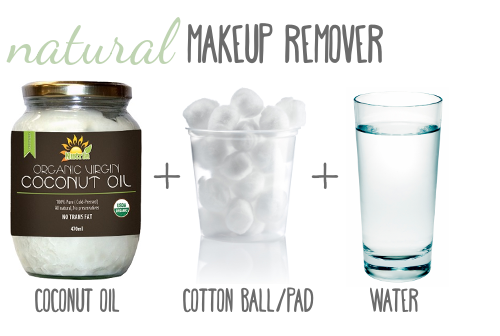
Coconut Oil is truly a miracle ingredient - you can cook with it, wash your hair with it, and clean your face with it - among other things.  In addition to being versatile, it's also really cheap and super easy to find. 

When using Coconut Oil as a makeup remover, you simply need to scoop up a small handful (generally about 1/8 cup for me does the trick) and apply it to your face.  I live in California so my oil typically is somewhere in between solid and liquid, so I warm it up by rubbing my hands together and turning it fully into the liquid form - if you live in a colder climate, you will definitely need to use your hands to turn the solid oil (which is white in color) into the liquid form.  Rub the oil into your skin with your fingertips, anywhere that you have applied makeup.  I even use it on my eyelids without any problems.


The purpose of using a cotton ball or cotton pad is to wipe away the majority of the coconut oil once you've applied it.  This is when the makeup actually comes off - you'll see the makeup residue ALL OVER your cotton pad, so be sure that you're thorough and get as much of the oil off as you can.  I tend to focus more on gently wiping off my eyes, as mascara and eye shadow can take a few extra swipes to fully come off.


The final step is using warm water (tap water works fine for me, but you can always buy distilled or filtered water if you'd prefer) to rinse your skin off.  There is always a small amount of coconut oil left on the skin following this rinse - But that's actually a good thing.  Pat your skin dry (don't rub) and then use your hands to massage the remaining coconut oil evenly into your skin.  This acts like a moisturizer and ensures that your face doesn't feel dry following the removal of your makeup.

Friday, January 16, 2015

Skincare Review: Simple Smoothing Facial Scrub

The "budget" brand Simple® is one I've seen on a few different YouTube "beauty guru" videos and I've been wanting try their stuff out for a while - On their website, it's explained that "all Simple® products have no dyes, artificial perfumes or harsh irritants that can upset skin and contain skin-loving ingredients and added vitamins for natural, healthy-looking skin."  I was at the store about a week ago and decided to pick up their facial scrub to give it a shot.


What's in it?


We'll start with the big question - is this product "safe" and devoid of the "dirty dozen" chemicals commonly found in cosmetic and beauty products?  Unfortunately the answer is no.  It contains three different chemicals that I'm not too happy about:
  1. Sodium Hydroxymethylglycinate, which is a formaldehyde releaser,  can cause cancer, and is an allergen.  
  2. Methylparaben, an endocrine disruptor that is also a known allergen.
  3. Tocopheryl Acetate, which is fine alone and is advertised simply as "Vitamin E."  However, this form of Tocopheryl carries the risk of contamination with Hydroquinone, which is actually banned from use in cosmetics - it's a super nasty compound that can cause organ toxicity, cancer, and allergies.
In the grand scheme of things, is this a product I'd avoid?  Considering what's in most skincare products, this one isn't all that bad.   Many others, like the Clean & Clear Morning Burst Facial Cleanser and the OXY Daily Defense Exfoliating Face Scrub for example, present many more toxins and health risks.  

However, because there are many, many DIY exfoliating cleanser recipes out there that use zero chemicals, I probably wouldn't repurchase this one.  I'm aiming to remove as many avoidable chemicals from my beauty routine as possible, and scrubs a great opportunity to eliminate toxins.

Does it work?

Equally as important as what's in it, does this product actually work?  I'll be honest - It really does work well on my skin.  The packaging instructs the user to only use the product once every few days, and when I used it, my skin was left feeling super soft.  I haven't noticed any increased redness or irritation, which I typically see with store-bought exfoliating products.  The exfoliating beads are also smaller than those found in most other products I've tried, which creates a nice scrub without the "scratchy" feeling.

Would I recommend it?  DIY Options?

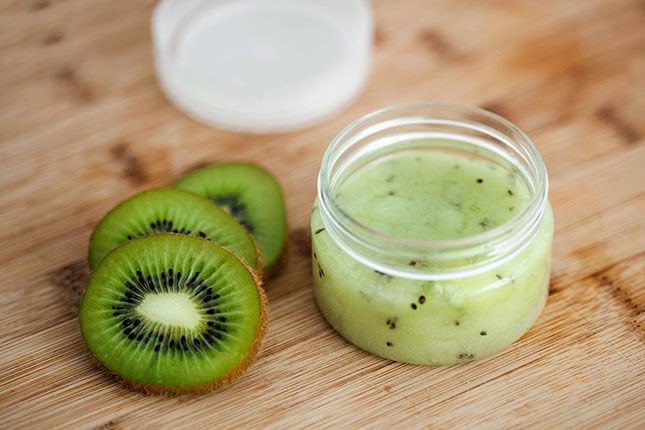
Probably not.  Like I said, scrubs are a great opportunity to eliminate toxins.  If you're going to try your hand at DIY skincare, they would be a great start - go on Pinterest and you'll find a million different options, several of which I've tried with a lot of success... and they're typically super cheap and easy to make.  Homemade facial scrubs can even be customized to your skin type, as you can learn here.
Image (c) Brit+Co


http://topmommyblogs.com


http://topmommyblogs.com

Tuesday, January 13, 2015

Is it "Safe?" - eos Smooth Sphere Lip Balm

I've done a lot of talking about what types of chemicals and toxins to avoid in your skin, nail, and hair care routines lately, so I thought that I'd go through my stash of beauty products and find something that we can really dive into.  I decided on a product that many, many, MANY women have bought in the past year or two - eos Smooth Sphere Lip Balm
This product is cute, comes in numerous flavors and colors, and has more celebrity endorsements than Wheaties.  I bought my first one about a year ago after seeing how obsessed my boss was with them - she literally collects them.  I'm pretty sure she has one of every color, even the new Visibly Soft flavors, Coconut Milk and Vanilla Mint (the striped packaging is adorable).  These are a bit pricier than "off brand" lip balms, but definitely still super affordable - I typically see them around $3-$4 each depending on where I'm shopping.

Are eos Lip Balm products "safe cosmetics?"

Each flavor varies slightly in ingredients, but the core components are the same.  Because blue is one of my favorite colors, we'll take a look at the ingredients of the Blueberry Acai flavor.

Ingredients:
Olea Europaea (Olive) Fruit Oil*, Beeswax/CERA ALBA (Cire d’abeille)*, Cocos Nucifera (Coconut) Oil*, Simmondsia Chinensis (Jojoba) Seed Oil*, Natural Flavor, Butyrospermum Parkii (Shea Butter)*, Stevia Rebaudiana Leaf/Stem Extract*, Helianthus Annuus (Sunflower) Seed Oil*, Tocopherol, Vaccinium Angustifolium (Blueberry) Fruit Extract*, Euterpe Oleracea (Acai) Fruit Extract*, Limonene**, Linalool**.  
*Organic. **Component of Natural Flavor. Certified Organic by Oregon Tilth. 

Quickly you'll notice that every single ingredient is classified as "organic," which is a huge step in the right direction for a lip balm.  Many lip balms contain petrolatum, a moisture barrier that can potentially cause cancer, among other things.  So... so far, so good!  Now here's a breakdown of each ingredient and what it's purpose is when used in cosmetics:
  • Olea Europaea (Olive) Fruit Oil: Used in beauty products most commonly as a conditioning agent, and can also be used in cooking as a healthy oil alternative.
  • Beeswax/CERA ALBA (Cire d’abeille): Commonly a moisture barrier when used in lip products and is considered a naturally safe ingredient.
  • Cocos Nucifera (Coconut) Oil: Can be used as a binding agent to keep beauty products in shape, and can also assist with bringing balance to dry skin.
  • Simmondsia Chinensis (Jojoba) Seed Oil: Naturally conditions skin and sometimes used as a stabilizer in cosmetics.
  • Butyrospermum Parkii (Shea Butter): Soothes dry and rough skin naturally - is also in many lotions and natural skin products.
  • Stevia Rebaudiana Leaf/Stem Extract: A masking agent and sometimes used for fragrance.
  • Helianthus Annuus (Sunflower) Seed Oil: A skin conditioner and cleansing agent in many natural beauty products.
  • Tocopherol: The fancy name for vitamin E, which is an antioxidant and skin conditioning agent.  If you want to get picky on this one, some studies have shown potential cancer concerns at extremely high doses - doses far higher than you'd ever see in a lip balm.
  • Vaccinium Angustifolium (Blueberry) Fruit Extract: Protects your skin and works as a soothing agent.
  • Euterpe Oleracea (Acai) Fruit Extract: A natural conditioning agent for the skin and hair.
  • Limonene: Made from a variety of citrus fruits, this liquid is used for flavor and fragrance.
  • Linalool: Natural floral scent, also used for flavor and fragrance.

Verdict: SAFE

Overall, this is a product that utilizes safe ingredients and has zero presence from the "dirty dozen" chemicals that are often hidden in our beauty products.  Given it's popularity, this is a major win in the battle for safe cosmetics.

Saturday, January 10, 2015

Cloth Diaper Stash 1.0: Update!

Orders have arrived and we've reached the point where it's time to take stock of what we have before moving on to cloth diaper prep for Cozy Baby #2 - Look forward to those details in a future post!

Before we begin washing and organizing, it's important to us that we're sure we have what we need - as you review this list, you'll likely notice that we haven't gone for a 100% "crunchy" approach, and we've decided against DIY options for now.  We still need to figure out wipes and a few other details as well, but we're well on our way to finalizing Cozy Baby #2's first stash.
Our current stash stands at more than 20 diapers, a combination of pocket diapers and prefolds with covers.  We have a TON of inserts, snappi fasteners, diaper rash cream safe for cloth diapers, our diaper pail is figured out, and we've decided to try out flush-able liners in place of a diaper sprayer for now.  For washing, Cozy Hubby insisted on a store-bought detergent, so we've opted to purchase the Baby ECOS plant-based laundry detergent (Cozy Hubby also insisted on liquid over powder, but we'll see how that goes). 

When added, our total cost for this "starter stash" has hit the $200 mark, factoring in the accessories.  Several of the diapers were also gifted to us, which helped out on savings (thanks, Dad!).

What I think is important for new parents considering cloth diapers is that while a lot does go into the preparation and the up-front cost is higher than with disposables, the end result is going to be worth it.  You also don't have to purchase every single accessory under the sun - to be honest, I don't even have a changing table (we never used the one we had with Cozy Baby #1 and it felt silly to purchase one this time around),  so we're not going over-board on fancy gadgets and name brand products.  

Why only Pockets and Prefolds?

As we reviewed all of the options available, Cozy Hubby and I decided that pockets and prefolds would be the best options for us.
  • Flats: I never considered flats over prefolds - the cost comparison between the two didn't show a huge difference, and I felt that prefolds would work better for us if ever needed to use them as inserts for our pocket diapers.
  • All-In-One's: We opted to pass on AIO's for a few reasons.  First, the cost.  Most of the brands we considered cost $15-$25 per diaper, where pocket diapers of equal quality were in the $10-$15 range and came with two inserts each (on average).  The second factor was dry-time.  Given that we're likely to start off with a stash around 20 diapers, we wanted to make sure that our wash and dry times weren't excessive.  We'll have to wash frequently, and with the goal of air-drying our stash, AIO's take the longest due to the multiple, thick layers of fabric.
  • All-In-Two's: I noticed that some diapers advertised as AIO's were actually "all-in-twos," meaning that the absorbent layer of the diaper was detachable.  This would address my concerns about AIO dry-time, but not the cost.  These were in the same price range as traditional AIO's, so not something I wanted to invest in quite yet.

http://topmommyblogs.com

Thursday, January 8, 2015

DIY or Buy? Cloth Diaper Detergent

I had a lot of questions when I first committed to cloth diapering. Among those were the issue of washing your diapers - Can I use normal detergent?  If not, what do I need to make my own?  Will it be expensive?

Can I use normal detergent?

The answer to this is both yes and no.  Some readily available detergent brands offer options that are okay for cloth diaper use.  Others don't.  So what do you look for?

Avoid: Brighteners, Fabric Softeners, Dyes, Fragrances, and Enzymes
Brighteners purposefully leave behind a chemical residue in order to absorb light to make fabrics brighter, but this can cause skin irritation.  Fabric softeners are another component of detergents that, on purpose, leave behind residue - this time for making fabric feel softer.  However, fabric softeners also have the side-effect of causing fabrics to become water resistant - this can ruin the absorbancy of your diapers, effectively making them useless.  Dyes and fragrances in detergent are another potential source of skin irritation from harsh chemicals - and they are bad for the environment!  Finally enzymes, used as stain removers, can inadvertently attack your baby's skin if residue is left on your diapers due to their ability to breakdown organic materials.

Common detergents safe for use with cloth diapers
Some "free and clear" options from major detergent brands can be okay for use, though not ideal.  Many of them contain brighteners and/or fragrances, despite the "free and clear" label.  However, there are a few detergents that can work really well - like Arm & Hammer Essentials Free, which is free of dyes, phosphates, bleaches and fragrances.

What do I need to make my own cloth diaper detergent?

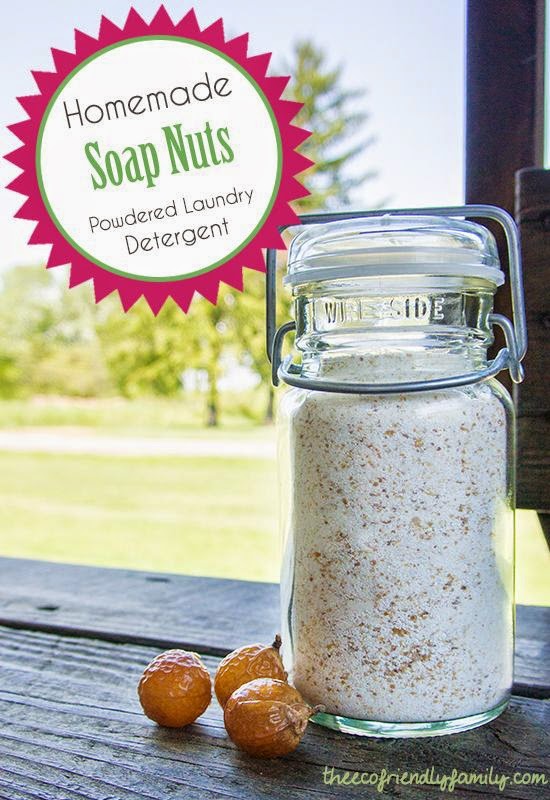
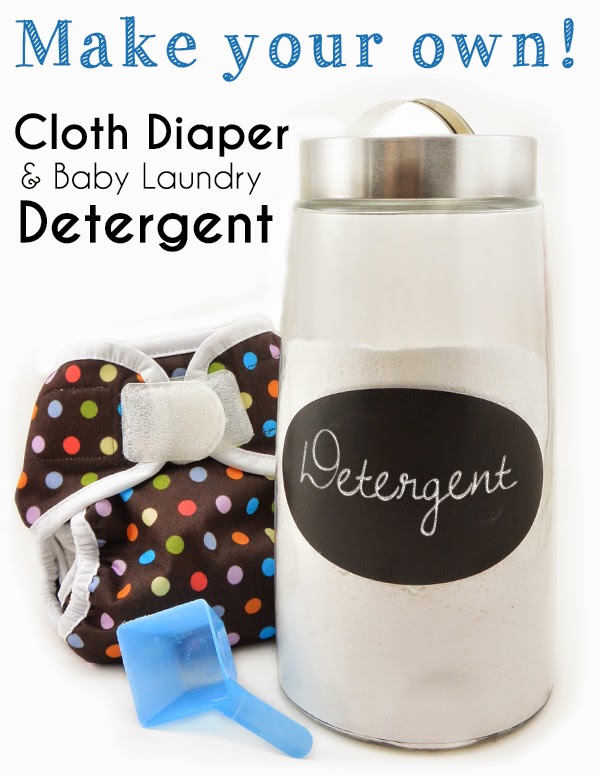
There are a lot of DIY recipes out there for cloth diaper use - many of which utilize very few ingredients and can be made easily at home.  The basic items in most of these detergents may include washing soda, borax, and baking soda.  Occasionally you'll see options that include the use of essential oils or other natural products as well.  Here are a few resources from The Eco-Friendly Family to check out and see if you'd be interested in trying your hand at DIY detergent:
http://theecofriendlyfamily.com/2013/05/diy-powdered-soap-nuts-laundry-detergent-recipe/ http://theecofriendlyfamily.com/2009/08/cloth-diaper-detergent/#_a5y_p=2872639
Images (c) The Eco-Friendly Family

Will cloth diaper detergent be expensive?

It doesn't have to be.  You can certainly buy a boutique-brand detergent from a specialty store and end up paying a fortune for your cloth diaper detergent - However, most cloth diaper detergents aren't expensive at all.  DIY detergent can cost as little as $30 for 5 gallons of powder detergent that can last up to a year.  Brands like bumGenius offer cloth diaper detergent that costs under $15.00 for a supply estimated to last for 60-70 wash cycles.  Arm & Hammer Essentials Free is below the $10.00 mark for 50fl oz. 

So... DIY or Buy?

That's up to your personal preference - I've always been attracted to the idea of DIY detergent, but Cozy Hubby isn't comfortable with it, worrying that it won't sufficiently clean what we need it to clean.  Bottom line - Do what's best for you, your baby, and your diapers!

http://topmommyblogs.com

Saturday, January 3, 2015

Cloth Diaper Stash 1.0

In gearing up for Baby Cozy #2, we've committed to cloth diapering.  We made this decision based on a few different factors.
  1. The primary factor:  COSTDiaper Decisions has a wonderful cost breakdown which basically lays out that disposable diapers cost roughly $2600 over 2.5 years - where cloth diapers can cost as little as $400 over that same time frame, depending on which cloth diapering methods you use (and how frugal you get with your purchases).
  2. Eco-Friendly.  Have you ever stopped to think about how much waste is caused by just one baby's disposable diapers?  I don't even want to think about it... in fact, it makes me mad that I didn't get educated on cloth diapering with my first born.
  3. They're so freakin' cute!  Okay.. this isn't a very good factor to have used in my decision making, but given that I'm having a baby girl and the amount of prints and colors available in cloth diapers... I mean, come on!  They're CUTE!
Now that we've made the choice to cloth diaper, I'm aiming to make the most out of cost-savings and try out a lot of different "budget brands" while building our diaper stash - This means that if we come across a brand or style we don't like, it won't kill me to get rid of the diapers that don't work out.  Plus, a side benefit of cloth diapers is re-sale value!  If you no longer need a diaper, or your entire stash, there are ways to sell them for cost-recovery (awesome!).

Here's my first 13 diapers -we're aiming for a stash of 20+ by the time Cozy Baby #2 gets here, and I know that my parents are excited to assist with a couple diapers too, which is fabulous for our goal of cost savings.  I'll be reviewing some of these "budget brands" once the baby is here so that you can see if the savings were worth it.


Diapers 1 & 2: Nono's Baby Pocket Diapers with microfiber inserts
Cost per diaper, including insert: $7.65
Shipping: Free
Details:
1. Face fabric: 100% polyester; Sandwich: green waterproof breathable TPU elastic membrane
2. Snap closures
3. Lining: brushed cloth
4. For babies weighing 6.5-28 pounds

Diapers 3 & 4: Baby City Pocket Diapers with mircofiber inserts
Cost per diaper, including insert: $8.75
Shipping: Free
Details:
1. Outer/Cover Layer is made from New lmproved Thermoplastic Polyurethane (TPU) Laminated Fabric
2. Snap closures
3. For babies weighing 6.5-28 pounds

Diapers 5 though 10:  Kawaii Cross-Over Square Tab Snap One Size Pocket Diapers with mircofiber inserts
Cost per diaper, including insert: $8.33
Shipping: Free
Details:
1. Cross-Over Squared Tab Snap Diaper has cross-over snaps and hip snaps
2. Waterproof, breathable outer made of two layers of TPU laminated fabric and a soft inner lining of micro fleece
3. Snap closures
4. For babies weighing 8-36 pounds

Diapers 11 through 13: Kawaii Baby Organic Cotton Prefolds (x12) with Kawaii Baby One Size Leak-Free Diaper Covers (w/ Snappi Diaper Fasteners)
Cost per diaper, 4 prefolds per cover, plus the cost of Snappi closures: $21.01
Shipping: Free
Details:
1. Prefolds made from 100% Organic Cotton, twill weave, no bleaching agents were used in the growing or manufacturing. Very absorbent, resistance to pilling
2. Snappi provides safe closure for prefolds without the use of old-fashioned diaper pins.
3. Covers utilize aplix closure
4. One-size covers for babies weighing 8-36 pounds
5. Can reuse the same cover between multiple changes, switching out the prefold at each change.
6. Prefolds can also be used with other pocket diapers for additional absorbency.


TOTAL COST: $144.92 | AVERAGE PER-DIAPER COST: $11.09


http://topmommyblogs.com