Showing posts with label natural hair care. Show all posts

Saturday, February 21, 2015

Safe Cosmetics Brand Review: philosophy


About the Brand

By now, you've probably heard of philosophy - they are a super trendy brand of "inspirational beauty" beauty products with super cute packaging and wide range of variety in offerings - we're talking everything from lip balm to shampoo to moisturizers to shower gels and everything in between.  On their website you'll read that their "promise is to deliver remarkable products that inspire you to live a better life by being better to yourself."

They also discuss the "science" of their products (which is what I'm mostly interested in). Their website states that "philosophy skin care offers revolutionary ingredients, breakthrough formulas and advanced technology. It is designed to not only deliver dramatic results but to enhance the integrity of your skin." 

That sounds awesome! Seems, to the casual observer, that this brand should be a healthy mix of products that should promote healthy skin and hair.  On a side note: From a "frugal" perspective, this is NOT a budget brand and many of their products are very, very pricy... But is it a "safe" brand that's worth the price?

Safe or Not?

First and foremost, it should be said that philosophy does NOT advertise themselves as an all-natural brand, so it wouldn't be right to not address that before moving on.  As a result, they have a combination of both "safe" and "not" products on the market - you just need to do your research to figure out what to avoid.  They are a brand that follows the newer trends in chemical formulas for quick results and "high quality" fragrances.

With that said, many of philosophy's products are NOT "safe" - The amount of fragrances alone make the vast majority of their products an issue from, if nothing else, an allergen perspective.  Since their brand is so diverse, let's take a look at few of their products:

The Good

Keep The Peace Protective Color Corrector: This product is advertised to camouflage redness, smooth the appearance of fine lines, pores and uneven texture and it leaves behind a smooth, satin finish.  It's also a relativity "safe" product, with only one ingredient of note - Phenocyethanol can cause toxicity issues, is an eye irritant, and a known allergen.  If you actually read the ingredients label on this one, it's all chemicals, but generally those considered safe for use... but this product also costs $32 here in the US, so I'd recommend shopping around for a more natural and less expensive color corrector.

Just Release Me Eye Makeup Remover: I really like this one - among the "affordable" members of philosophy's makeup line, this product is advertised as an "oil-free eye makeup remover that gently yet effectively breaks down and removes the toughest eye makeup, even waterproof makeup, without irritating eyes."  As with the previous product, there is really only one ingredient that causes alarm - Benzalkonium Chloride.  This is a preservative that can cause allergies and severe skin irritation.  On the positive side, the product also contains super ingredients like aloe, chamomile and cucumber extracts.

Kiss Me Exfoliating Lip Scrub & Facial:  Sadly, it doesn't look like this product is offered by philosophy any longer - I've actually used it in the past and loved it.  Phenoxyethanol was the only worry with this product - it is a preservative and fragrance agent that has proven evidence of skin and immune system toxicity and is an allergen.  Other than that, this was actually one of my favorite philosophy products - too bad it's no longer for sale!

The Bad

Eternal Grace Spray Fragrance:  SO much to say about this one - but if you'd rather skip ahead, simply put, I would never use this.  The ingredients in this range from those that could cause massive allergy issues for the user, to those that cause endocrine disruption, organ toxicity, developmental and reproductive toxicity, ecotoxicology, and more.  Some ingredients of note include Oxybenzone, Lilial, and Citral.  Take my advice and consider natural fragrances versus those made from chemical compounds.

Shampoo, Shower Gel & Bubble Bath, Mangos & Cream: This 3-in-1 product runs just shy of $100 for 32oz... Ouch!  On top of that, it contains DMDM hydantoin, which is an antimicrobial formaldehyde releaser preservative.  This ingredient is known to cause skin toxicity issues and there is also evidence that shows it can cause cancer.  CANCER - From your bubble bath.  Not good.
Kiss Me Color Lip Shine: Another relic of philosophy's past that is no longer available, this product was another member of the "cancer club," containing BHT - an ingredient that not only is a carcinogen, but also an allergen and known to cause developmental and reproductive toxicity issues.  This product also contains MULTIPLE endocrine disruptors like Oxybenzone and Octinoxate.  Thank goodness it's no longer on the market!


Final Thoughts

While it's not fair to hold philosophy to an "all natural" standard that they've never claimed, it is a bit discouraging to find so few "safe" products in their catalog.  I personally can't afford to buy a lot of their products to begun with, so I'd say your best bet would be to search for more natural and cost effective alternatives.
http://topmommyblogs.com

Sunday, February 1, 2015

What's In Your Baby Shampoo?

As you've probably figured out, two of my passions are safe cosmetics and being an "Eco-Mom" - today I want to combine those ideas!  Over the past few weeks I've talked about nail polish, hair care... even makeup remover - But what about the hygiene products that we use on our children?  There is, unfortunately, just as much of an opportunity for nasty chemicals to sneak their way into our toddler and infant products as they do our own hair and skin care.  One product in particular has always bothered me - Baby Shampoo.

Looking at the ingredient labels on shampoos - baby or otherwise - is generally a test on your language skills.  Chemical compounds that are virtually unpronounceable are in almost every single shampoo product out there.  So how can you figure out which shampoo is best for your baby?

Generally speaking, the baby shampoo market is "safer" than adult shampoos - a lot of the SUPER nasty stuff doesn't get included in products designed for infants... typically.  But even some of the most popular baby brands still include ingredients that are really unhealthy for a growing baby.

First, we'll look at Aveeno Baby Wash and Shampoo.  This formula is advertised as tear-free, gentle, and moisturizing.  In the US, 12fl oz. go for around $9.00, depending on the retailer.  Aveeno is also a really popular brand for baby lotions, creams, oils - you name it.


This is NOT, however, a product I would use with my baby.  Why?
Gastrointestinal and liver toxicity?  Immune and allergenic effects?  Respiratory toxicant?  Environmental toxins?  Yikes!  To be fair, these ingredients are in very limited quantities - but they're still there.  Given that this is such a popular brand and SO easy to find, are there any better alternatives?

Next we'll look at Babyganics Night Time Shampoo + Body Wash.  Just by looking at it, this one seems more hopeful - "ganics" as in  "ORganics!"  Perfect!  This formula has no parabens, sulfates, phthalates, mineral oil, petrolatum, gluten, artificial fragrances or dyes - wonderful!  This one costs around $12.00 for 18fl oz. here in the US, so it's even a bit more cost effective than the Aveeno option.

But... it's not all perfection.  Here's why:


Nervous system toxicity is NOT something I want in my baby's shampoo. On top of that, this product also contains fragrances (though non-artificial), just like Aveeno.  So while this brand is certainly an improvement, it's not quite where I'd like it to be.

By now, you're probably thinking that it's time to open up Pinterest and look into DIY baby shampoo, huh?  While that's a wonderful idea - and one I'll cover in another blog post - there is one store bought baby shampoo that combines convenience in availability with a lack of harmful ingredients.

Burt's Bees Baby Bee Shampoo & Wash, Fragrance Free - this is as close to "safe" as you're going to get at any major retailers.  For $9.00, you can get a 12fl oz. bottle and this brand has become so popular that even Target and WalMart stock almost their entire catalog in their stores.

This is a tear-free and plant-based formula made with aloe, soy proteins, and oat flour.  It does contain sodium benzoate, which has has been deemed safe for use but is a restricted ingredient in large quantities when used with cosmetics... So it's not perfect as a product, but it's pretty close.

The bottom line as a parent is simply to educate yourself - know what chemicals are in your baby's shampoos, detergents, wipes, etc.  This will help you in making the best purchasing decisions for your family.


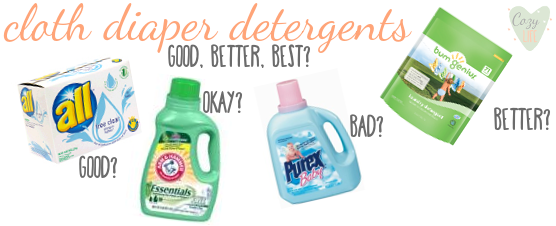
Want more on safe products for baby?  Check this out!
http://amcozy.blogspot.com/2015/01/diy-or-buy-cloth-diaper-detergent.html

http://topmommyblogs.com

Saturday, January 24, 2015

The Scoop on Jojoba Oil

I feel like I talk about Coconut Oil all the time, without giving a whole lot of attention to the other amazing natural oils that we can use in our skin and hair care routines - these types of natural ingredients not only cut down on the amounts of chemicals and toxins our bodies absorb on a daily basis, but they also save us money - Who doesn't want that?

So today I wanted to give you the scoop on Jojoba Oil.  This one has a funny name, so it's easy to remember, but not a lot of people actually know WHAT jojoba oil is.  Technically speaking, jojoba oil is really a wax.  It's extracted from the seeds of the jojoba plant, a species of shrub native to North America.  It is used - widely - in beauty products, and has a huge range of benefits for the hair and skin.


Skin Care

Jojoba oil is a hugely beneficial ingredient for the skin because of it's moisturizing and conditioning properties.  Used alone in small amounts (we're talking 5-10 drops), jojoba oil can double as a makeup remover, skin moisturizer, massage oil, and even a lip conditioner.  It is ideal for those with sensitive skin and can even assist in preventing razor burn following a shave or in repairing skin with sun damage. 

An additional benefit to using jojoba oil on your skin is that it doesn't leave the oily residue that many store bought creams and lotions do.  If you have a favorite body lotion that you just can't part with, you can even add jojoba oil to your store bought products to assist them in softening and moisturizing the skin - typically these products become even more effective with only 2 or 3 drops of jojoba oil added to them.

Hair Care

Because of the conditioning and moisturizing properties of natural jojoba oil, it can be a miracle worker on dry and damaged hair.   Applying a small amount (quarter-sized amount to the palm of your hand) of jojoba oil to your damp hair after a shower, concentrating on the ends, will work as a conditioning treatment to repair damage and limit frizz.

Be careful about buying shampoos and conditioners with jojoba oil already in them - because of the high frequency of chemical toxins in many store bought hair care products, you need to be wary of the "Dirty Dozen."  Many times, using the oil in it's natural form will get you the best results.

Where to Buy Jojoba Oil

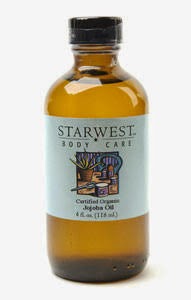
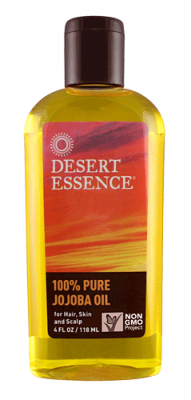
While jojoba oil isn't the toughest thing in the world to find, it's not going to be in every grocery store like coconut oil is - it's also slightly more expensive than coconut oil, but still cost effective.  Depending on the size of the container, jojoba oil generally retails between $10-$20, and you can purchase it in bulk for $30-$40... though, given the tiny amount you need for hair and skin care, you likely wouldn't ever need to buy it in bulk.  Below are a few online resources for purchasing jojoba oil if you aren't able to locate any in health stores near you:

http://www.starwest-botanicals.com/category/jojoba-oil/?utm_source=froogle&utm_medium=feed&gclid=CjwKEAiA_4emBRCxi8_f2cWWjFcSJAB-v1qy7Kn_2CMk8ac8g3JdOFfyIOAwTK1A9xFMwzsymCeGOBoCYhHw_wcB https://www.desertessence.com/store/100-pure-jojoba-oil


Want to know more about beauty products and their impact on your health?
Check out these articles from The Cozy Life.
http://amcozy.blogspot.com/2015/01/chemicals-in-cosmetics-whats-in-your.html
http://amcozy.blogspot.com/2015/01/pregnancy-and-nail-polish.html

http://topmommyblogs.com

Sunday, January 11, 2015

Chemicals in Cosmetics - What's in your makeup?

We've covered the chemicals in nail polish, so now let's talk about one of my other favorite subjects - makeup!  Cosmetics are such a staple of the "female experience" nowadays, but have we actually stopped to think about what's actually in our bronzers, concealers, lipsticks, and brow gels?  

It's important to keep in mind that cosmetics are applied directly onto the largest organ of our bodies - our skin.  Because of that, it's really important that we change our mindset about cosmetics and start to focus on what they do to our bodies, not just how they cover dark circles and pimples.  

So what are we putting on our bodies?  Commonly known as the "Dirty Dozen," cosmetics often contain BHA & BHT, coal tar dyes, DEA, dibutyl phthalate (DBP), preservatives, parabens, fragrances, PEG compounds, petrolatum, siloxanes, sodium laureth sulfate & triclosan.

Why are the "Dirty Dozen" harmful?  

  • Endocrine Disruptors: BHA & BHT, DBP, parabens, siloxanes, and triclosan are all potential endocrine disruptors.  These may create developmental, reproductive, neurological, and immune problems in humans - including reproductive issues, endometriosis, and cancer.
  • Cancer Causing Agent: BHA & BHT, coal tar dyes, DEA, preservatives, parabens, PEG compounds, petrolatum, and sodium laureth sulfate all have the potential to (or may be contaminated with chemicals that) cause cancer.  Parabens get a lot of news because they, in particular, are potentially linked to breast cancer.
  • Heavy Metals: Coal tar dyes are the culprit here - these dyes may contain heavy metals that are toxic to the brain.  Not good!
  • Create Antibiotic Resistant Bacteria: Triclosan is an antibacterial in cosmetic that may aid bacteria in becoming those scary "antibiotic resistant" bacterias that land people in the hospital.  Yikes!
  • Harmful to the Environment and Wildlife: BHA & BHT, DEA, DBP, and siloxanes have been linked to harming fish and other wildlife - don't hurt Nemo, folks!
  • Allergens & Breathing Problems: Some fragrances have been linked to asthma and are known allergens - and these chemicals are sometimes found even in products labeled "unscented."

Why are these chemicals in cosmetics at all?

Each of the "Dirty Dozen" serve a purpose in a wide variety of cosmetics and beauty products - ranging from deodorant to, shampoo, to lipstick, and everything in between - Here's a breakdown of their functions:
  • BHA & BHT: Preservative in both make-up products and moisturizers
  • Coal Tar Dyes: Pigment and coloring agent
  • DEA: Present in cream-based and foaming products - often shampoos and moisturizers
  • Dibutyl Phthalate (DBP): Plasticizer in nail products
  • Preservatives: Serve as preservatives... as you may have suspected
  • Parabens: Serve as preservatives
  • Fragrances: Scent agent in many beauty products
  • PEG Compounds: Present in many cream-based cosmetics
  • Petrolatum: In lip-balms as a moisture barrier and haircare products for shine
  • Siloxanes: Moisturizer, softener, and smoother in many types of cosmetics
  • Sodium Laureth Sulfate: Foaming agent in cleansers, bubble baths, and shampoos
  • Triclosan: Antibacterial agent in toothpaste, cleansers, and antiperspirants
Let's compare a few lipsticks to demonstrate the presence of these chemicals.  Because we're looking at lipstick, let's focus on coal tar dyes which can be located by seeking color index numbers (CI numbers) within the 75000 and 77000 ranges - below is a look at ILIA Lipstick, a lip product that is advertised as an organic product, and Revlon Super Lustrous Lipcolor, a typical drugstore brand.


BOTH products contain coal tar dyes - including the organic lipstick.  This is why it is critical that you really look into the ingredients of your beauty products - an organic label doesn't mean that the product is free of toxins.

What products are free of the "Dirty Dozen?"

After considering the above, what can you do to find natural and toxin-free cosmetics?  Don't fear - safe cosmetics DO exist!  There are a number of brands that specialize in toxin-free makeup and beauty products, including Coastal Classic Creations and Zosimos Botanticals.
 
http://topmommyblogs.com

Monday, January 5, 2015

Pregnancy and Hair

One of the things that I was raised believing was that women get beautiful hair during pregnancy - it's shiny, grows quick, blah, blah, blah.  Now that I've completed one pregnancy and I'm 34 weeks through my second, it's time to talk about what actually changes in your hair during pregnancy.

Hair Growth and Hair Rest

The first thing to accept is that we all shed hair every single day of our lives - No, it isn't a sign you're going bald.  It's just a natural process of hair growth.  There is a typical pattern to this shedding, which is a ratio of growing hair and "resting" hair - this resting hair is the hair that is getting ready to shed and fall out.  Not all people are the same, obviously, but a rule of thumb is that most women of childbearing age have roughly 5 to 15 percent of their hair in the "resting" stage at any given time.

Pregnancy hormones can alter the ratio of growing/resting hair to cause much less shedding, which leads to the impression of thicker, fuller hair.  So simply put, your hair hasn't actually gotten thicker - it just isn't falling out as fast.  This changes again postpartum, where many women see an increase in hair shedding due to hormonal shifts back to your normal, non-pregnant self.

Excessive Shedding?  Texture change?  Facial hair??

That's not to say that all women are the same, however - Excessively shedding hair is sometimes a symptom of pregnancy, as well as changes in the texture of your hair.  Again, this is all connected to the hormonal changes occurring in your body.

One not-so-fun change in hair growth that some women experience during pregnancy is unwanted hair growth - such as on the face (thanks to lovely little hormones called androgens).  If you fall victim to this unpleasant pregnancy symptom, good old-fashioned hair removal may be your best best.  Temporary solutions like waxing can get you through your pregnancy until your hormone levels go back to normal.

Pregnancy & Hair Care 

So what can you do to make your hair as healthy as possible during pregnancy?  First, take your prenatal vitamin!  Many of the essential vitamins and minerals important to healthy hair are already in your prenatal - things like iron, zinc, vitamin D, and B complex vitamins.  Second, be sure you're using shampoos and conditioners that are moisturizing and renewing for your hair.

Several natural products exist that are extremely healthy for your hair at any point in your life, but especially important during pregnancy due to their restorative effects.   Coconut oil, jojoba oil, aloe vera, shea butter, and avocado oil - used organically or as primary ingredients in shampoos, hair treatments, etc - can increase moisture in your hair follicle and aid in preventing hair loss.

Hair care ingredients to look out for: Parabens are a no-no!  These are cheap preservatives that are sometimes put in beauty and hair care products to prevent bacterial growth and increase shelf life.  These just aren't good for you, period, end of story.  Many companies now make paraben-free products, so find those alternatives.  Sodium lauryl sulfate is another no-no (potentially causes birth defects), as well as phthalates (endocrine disruptors)

Coloring Your Hair

This is a controversial subject - some people would say absolutely do NOT color your hair during pregnancy.  Others would say that nothing's wrong with it.  Officially?  The Organization of Teratology Information Services (OTIS) has stated that we absorb so little of the chemical components of hair dye that you're likely okay to dye your hair while pregnant.  In a nutshell?  No studies have proven that hair color causes birth defects.
http://topmommyblogs.com