Showing posts with label parabens. Show all posts

Tuesday, March 17, 2015

The Truth About Mascara

I can't walk out of the house without mascara on - Period.  But given that I'm a safe cosmetic junky, can I really say that mascara is okay to use?  As with most cosmetics, it's a complicated answer.  Mascara can contain, as with any cosmetic, most pretty harsh chemicals.  Some brands carry nasty stuff like parabens and retinyl acetate.  These chemicals can cause developmental and reproductive toxicity, ecotoxicology, endocrine disruption, allergies, immunotoxicity, biochemical changes at the cellular level, AND cancer.  Not good.

If all of those chemicals and effects sound like a foreign language to you, check out my post on the "Dirty Dozen" chemicals found in cosmetics for more information and explanation by clicking here!
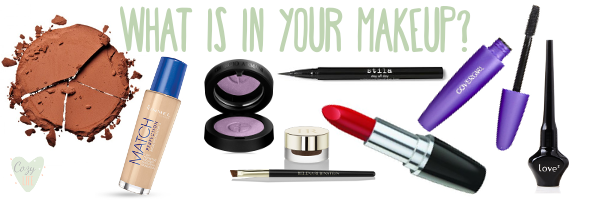
http://amcozy.blogspot.com/2015/01/chemicals-in-cosmetics-whats-in-your.html
But even with all of that, it doesn't mean that ALL mascara's are bad - like I said, I wear the stuff everyday.  It's important to do you research before buying a makeup product to be sure that you're buying something that not only works, but also doesn't put harmful chemicals on your body.

So what should you buy?

There's a number of great options out there, and I've found several at a low price-point for us "bargain shoppers."

Almay One Coat Nourishing Mascara, Lengthening: This formula is designed to lengthen lashes without clumps - it's a good option for those of us who like a more natural look.  Almay has included aloe and Vitamin B5 as well to help keep your lashes healthy.  This brand is also super cost effective and you can find this one at Target and WalMart below for less than $7 - not bad!

Physicians Formula Organic Wear 100% Natural Lash Boosting Mascara: "Organic" in the name of a product always makes me happy, and this one has great packaging... plus it actually works too!  This one is advertised to enhance both lash length and thickness - so it doesn't give you as much of a natural look as the other two options in this post, but it's even better for lashes with less artificial ingredients.  It's right in the middle on cost, around $10 at most retailers.

enhances the appearance of lash length, thickness and volume for dramatic lashes instantly and long-term - See more at: http://www.physiciansformula.com/en-us/productdetail/eyes/mascara/07561.html#sthash.ojB9aBWP.dpuf
enhances the appearance of lash length, thickness and volume for dramatic lashes instantly and long-term - See more at: http://www.physiciansformula.com/en-us/productdetail/eyes/mascara/07561.html#sthash.ojB9aBWP.dpu
bareMinerals Flawless Definition Waterproof Mascara:  If "natural" is what you want out of a mascara, this one will give it to you - no clumps, loads of length, no smudging, and a wand that is good for both upper and lower lashes.  I actually LOVE this one, though I don't use it often because of the price.  Like most bareMinerals products, it's expensive - this one checks in at $18.

http://topmommyblogs.com

Friday, January 16, 2015

Skincare Review: Simple Smoothing Facial Scrub

The "budget" brand Simple® is one I've seen on a few different YouTube "beauty guru" videos and I've been wanting try their stuff out for a while - On their website, it's explained that "all Simple® products have no dyes, artificial perfumes or harsh irritants that can upset skin and contain skin-loving ingredients and added vitamins for natural, healthy-looking skin."  I was at the store about a week ago and decided to pick up their facial scrub to give it a shot.


What's in it?


We'll start with the big question - is this product "safe" and devoid of the "dirty dozen" chemicals commonly found in cosmetic and beauty products?  Unfortunately the answer is no.  It contains three different chemicals that I'm not too happy about:
  1. Sodium Hydroxymethylglycinate, which is a formaldehyde releaser,  can cause cancer, and is an allergen.  
  2. Methylparaben, an endocrine disruptor that is also a known allergen.
  3. Tocopheryl Acetate, which is fine alone and is advertised simply as "Vitamin E."  However, this form of Tocopheryl carries the risk of contamination with Hydroquinone, which is actually banned from use in cosmetics - it's a super nasty compound that can cause organ toxicity, cancer, and allergies.
In the grand scheme of things, is this a product I'd avoid?  Considering what's in most skincare products, this one isn't all that bad.   Many others, like the Clean & Clear Morning Burst Facial Cleanser and the OXY Daily Defense Exfoliating Face Scrub for example, present many more toxins and health risks.  

However, because there are many, many DIY exfoliating cleanser recipes out there that use zero chemicals, I probably wouldn't repurchase this one.  I'm aiming to remove as many avoidable chemicals from my beauty routine as possible, and scrubs a great opportunity to eliminate toxins.

Does it work?

Equally as important as what's in it, does this product actually work?  I'll be honest - It really does work well on my skin.  The packaging instructs the user to only use the product once every few days, and when I used it, my skin was left feeling super soft.  I haven't noticed any increased redness or irritation, which I typically see with store-bought exfoliating products.  The exfoliating beads are also smaller than those found in most other products I've tried, which creates a nice scrub without the "scratchy" feeling.

Would I recommend it?  DIY Options?

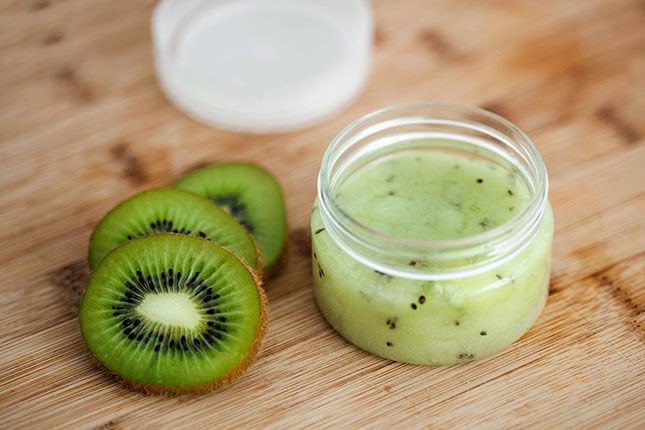
Probably not.  Like I said, scrubs are a great opportunity to eliminate toxins.  If you're going to try your hand at DIY skincare, they would be a great start - go on Pinterest and you'll find a million different options, several of which I've tried with a lot of success... and they're typically super cheap and easy to make.  Homemade facial scrubs can even be customized to your skin type, as you can learn here.
Image (c) Brit+Co


http://topmommyblogs.com


http://topmommyblogs.com

Monday, January 12, 2015

The Scoop on Baby Wipes

I've been so focused on building a cloth diaper stash that wipes have taken a bit of a backseat to getting in the more "fun" diapering purchases.  But, with only five weeks left before Cozy Baby #2 gets here, it's time to consider baby wipes and our options.  To make things easier on myself, I'm separating baby wipes into four basic categories:

In considering the pro's and con's, a few of these really stick out to me... and I'm sure that you're likely assuming that I'm leaning toward the cloth ones, right?  Well, let's see:

Traditional Disposable Wipes

There are SO many different brands of disposable wipes that it would be extremely difficult to go over every option out there, so let's keep this basic: Brands like Pampers and Huggies have entire lines of wipes - normal, scented, unscented, sensitive skin, and even "natural."  Typically these types of wipes sell at a rate of $0.02-$0.05 per wipe.

The problem with more traditional (and readily available) baby wipes are the chemicals in them - which may include alcohol, perfume, chlorine, pthlalates, parabens, and dioxin.  These can be really harmful to your baby's skin - and result in the absorption of toxins into their bodies that could potentially cause hormonal issues and some forms of cancer.

Eco-Friendly Disposable Wipes

There are now a number of eco-friendly disposable wipes on the market that are safe for the environment, biodegradable and/or flushable.  These brands are typically harder to find and more expensive than more traditional disposable brands, averaging $0.05-$0.10 per wipe.  Popular brands include Seventh Generation and Earth's Best.

However great the word "biodegradable" might sound, and how nice "safe for the environment" seems, these wipes aren't necessarily good for your baby.  Many of these still contain alcohol, which can irritate baby's skin.  The majority are paraben, chlorine, and pthlalate-free though, which does make them the "lesser of two evils" in the great world of disposable wipes.

Name Brand Cloth Wipes

Many of the popular cloth diaper companies also have their own line of cloth wipes made out of various fabrics - flannel, cotton, hemp, and microfleece to name a few.  Popular brands for this option are Thirsties, bumGenius, and BabyKicks.  Much pricier per-wipe than their disposable counterparts, these wipes can cost anywhere from $1.00-$2.00 per wipe.

So why invest that much money into a wipe?  Simple - these are reusable.  They require the same washing routine as cloth diapers and contain zero chemicals that might harm your baby.  A single wipe could last you the entire 2.5 years that your baby is in diapers.

DIY Cloth Wipes

Cloth wipes don't need to be fancy name brand purchases.  In fact, soft baby washcloths or recycled washcloths/towels you already have in your home would do just fine as cloth wipes.  The thing to keep in mind is that your baby's skin will be sensitive, so don't select anything that has overly-rough fabric that might irritate your baby - and don't forget that microfiber isn't a fabric that can go directly onto baby's skin!  We have several MF cloths laying around the house and these are definitely not meant to be used on skin (for us or a baby).  Stick with natural fabrics - cotton and flannel are probably the easiest to find.

If utilizing washcloths you already own, this type of baby wipe could be completely free.

There is one "catch" with cloth wipes, though - they aren't a standalone product.  You do need to purchase additional items in order to make your name brand or DIY wipes work for you and your baby.

The most basic accessories are water and a spray bottle - your wipes need to be dampened prior to use, and water works just fine for this.  At home, the spray bottle might not be necessary - when you're out and about, a small travel-sized spray bottle with water in it will do the trick.

Also required for "on the go" cloth wipes, as with cloth diapers, is a wet bag to hold any used wipes.  This doesn't need to be fancy, but many different options are on the market for "cute" wet bags... though a ziploc bag will do in a pinch, products specifically labeled as "wet bags" are washable, and thus reusable.

Optional accessories include a wipe solution if you aren't comfortable with just using water (there's a great one available by bumGenius) and a wipe warmer if you'd like prepped wipes available for immediate use.  Wipe solution and a wipe warmer are options that I'm passing on for now, but many moms find them to make the whole process more convenient. 
http://topmommyblogs.com

Sunday, January 11, 2015

Chemicals in Cosmetics - What's in your makeup?

We've covered the chemicals in nail polish, so now let's talk about one of my other favorite subjects - makeup!  Cosmetics are such a staple of the "female experience" nowadays, but have we actually stopped to think about what's actually in our bronzers, concealers, lipsticks, and brow gels?  

It's important to keep in mind that cosmetics are applied directly onto the largest organ of our bodies - our skin.  Because of that, it's really important that we change our mindset about cosmetics and start to focus on what they do to our bodies, not just how they cover dark circles and pimples.  

So what are we putting on our bodies?  Commonly known as the "Dirty Dozen," cosmetics often contain BHA & BHT, coal tar dyes, DEA, dibutyl phthalate (DBP), preservatives, parabens, fragrances, PEG compounds, petrolatum, siloxanes, sodium laureth sulfate & triclosan.

Why are the "Dirty Dozen" harmful?  

  • Endocrine Disruptors: BHA & BHT, DBP, parabens, siloxanes, and triclosan are all potential endocrine disruptors.  These may create developmental, reproductive, neurological, and immune problems in humans - including reproductive issues, endometriosis, and cancer.
  • Cancer Causing Agent: BHA & BHT, coal tar dyes, DEA, preservatives, parabens, PEG compounds, petrolatum, and sodium laureth sulfate all have the potential to (or may be contaminated with chemicals that) cause cancer.  Parabens get a lot of news because they, in particular, are potentially linked to breast cancer.
  • Heavy Metals: Coal tar dyes are the culprit here - these dyes may contain heavy metals that are toxic to the brain.  Not good!
  • Create Antibiotic Resistant Bacteria: Triclosan is an antibacterial in cosmetic that may aid bacteria in becoming those scary "antibiotic resistant" bacterias that land people in the hospital.  Yikes!
  • Harmful to the Environment and Wildlife: BHA & BHT, DEA, DBP, and siloxanes have been linked to harming fish and other wildlife - don't hurt Nemo, folks!
  • Allergens & Breathing Problems: Some fragrances have been linked to asthma and are known allergens - and these chemicals are sometimes found even in products labeled "unscented."

Why are these chemicals in cosmetics at all?

Each of the "Dirty Dozen" serve a purpose in a wide variety of cosmetics and beauty products - ranging from deodorant to, shampoo, to lipstick, and everything in between - Here's a breakdown of their functions:
  • BHA & BHT: Preservative in both make-up products and moisturizers
  • Coal Tar Dyes: Pigment and coloring agent
  • DEA: Present in cream-based and foaming products - often shampoos and moisturizers
  • Dibutyl Phthalate (DBP): Plasticizer in nail products
  • Preservatives: Serve as preservatives... as you may have suspected
  • Parabens: Serve as preservatives
  • Fragrances: Scent agent in many beauty products
  • PEG Compounds: Present in many cream-based cosmetics
  • Petrolatum: In lip-balms as a moisture barrier and haircare products for shine
  • Siloxanes: Moisturizer, softener, and smoother in many types of cosmetics
  • Sodium Laureth Sulfate: Foaming agent in cleansers, bubble baths, and shampoos
  • Triclosan: Antibacterial agent in toothpaste, cleansers, and antiperspirants
Let's compare a few lipsticks to demonstrate the presence of these chemicals.  Because we're looking at lipstick, let's focus on coal tar dyes which can be located by seeking color index numbers (CI numbers) within the 75000 and 77000 ranges - below is a look at ILIA Lipstick, a lip product that is advertised as an organic product, and Revlon Super Lustrous Lipcolor, a typical drugstore brand.


BOTH products contain coal tar dyes - including the organic lipstick.  This is why it is critical that you really look into the ingredients of your beauty products - an organic label doesn't mean that the product is free of toxins.

What products are free of the "Dirty Dozen?"

After considering the above, what can you do to find natural and toxin-free cosmetics?  Don't fear - safe cosmetics DO exist!  There are a number of brands that specialize in toxin-free makeup and beauty products, including Coastal Classic Creations and Zosimos Botanticals.
 
http://topmommyblogs.com