Showing posts with label toxins. Show all posts

Tuesday, March 17, 2015

The Truth About Mascara

I can't walk out of the house without mascara on - Period.  But given that I'm a safe cosmetic junky, can I really say that mascara is okay to use?  As with most cosmetics, it's a complicated answer.  Mascara can contain, as with any cosmetic, most pretty harsh chemicals.  Some brands carry nasty stuff like parabens and retinyl acetate.  These chemicals can cause developmental and reproductive toxicity, ecotoxicology, endocrine disruption, allergies, immunotoxicity, biochemical changes at the cellular level, AND cancer.  Not good.

If all of those chemicals and effects sound like a foreign language to you, check out my post on the "Dirty Dozen" chemicals found in cosmetics for more information and explanation by clicking here!
http://amcozy.blogspot.com/2015/01/chemicals-in-cosmetics-whats-in-your.html
But even with all of that, it doesn't mean that ALL mascara's are bad - like I said, I wear the stuff everyday.  It's important to do you research before buying a makeup product to be sure that you're buying something that not only works, but also doesn't put harmful chemicals on your body.

So what should you buy?

There's a number of great options out there, and I've found several at a low price-point for us "bargain shoppers."

Almay One Coat Nourishing Mascara, Lengthening: This formula is designed to lengthen lashes without clumps - it's a good option for those of us who like a more natural look.  Almay has included aloe and Vitamin B5 as well to help keep your lashes healthy.  This brand is also super cost effective and you can find this one at Target and WalMart below for less than $7 - not bad!

Physicians Formula Organic Wear 100% Natural Lash Boosting Mascara: "Organic" in the name of a product always makes me happy, and this one has great packaging... plus it actually works too!  This one is advertised to enhance both lash length and thickness - so it doesn't give you as much of a natural look as the other two options in this post, but it's even better for lashes with less artificial ingredients.  It's right in the middle on cost, around $10 at most retailers.

enhances the appearance of lash length, thickness and volume for dramatic lashes instantly and long-term - See more at: http://www.physiciansformula.com/en-us/productdetail/eyes/mascara/07561.html#sthash.ojB9aBWP.dpuf
enhances the appearance of lash length, thickness and volume for dramatic lashes instantly and long-term - See more at: http://www.physiciansformula.com/en-us/productdetail/eyes/mascara/07561.html#sthash.ojB9aBWP.dpu
bareMinerals Flawless Definition Waterproof Mascara:  If "natural" is what you want out of a mascara, this one will give it to you - no clumps, loads of length, no smudging, and a wand that is good for both upper and lower lashes.  I actually LOVE this one, though I don't use it often because of the price.  Like most bareMinerals products, it's expensive - this one checks in at $18.
http://topmommyblogs.com

Sunday, March 15, 2015

Family health & Air filters - Natural options?

I recently relocated to the Central Valley of California - it's been a lot of adjusting from the life of a coastal city with clean, moist air to a desert climate with dry, polluted air.  Because I have two small children (and a husband with severe allergies) I've been looking into ways to filter the air in our home to limit any potential allergy and respiratory issues.

One thing that we parents should keep in mind when considering our family's/children's respiratory health is the fact that indoor air is often up to 5 times more toxic than outdoor air - so if you live in an area with poor air quality, your indoor environment is probably not the safe haven you were hoping for.

What's in your air?

There's a lot of things you may not even know to worry about when it comes to indoor air quality - your family is breathing in A LOT of nasty stuff on a daily basis - Where you live, and even what you do for a living, can bring extra (or eliminate some) toxins.  Here's an idea of what you and your children are breathing:
  • Carbon dioxide (CO2)
  • Artificial Fragrances
  • Dust
  • Toxic vapors
  • Volatile organic compounds (VOCs)
  • Off-gas emissions from furniture, carpets, and paints
  • Dust mites
  • Microbial contaminants, fungi, molds, and bacteria
  • Ozone

How can you filter your air?

So now that we know our indoor air is likely more toxic than the outdoor air and that our indoor air is filled with gross stuff, what can we do?

The easiest and most obvious solution is to buy some form of air filtration device(s) - the problem with these is often the cost.  A system that will filter your entire home can cost thousands of dollars, depending on how "fancy" you want to go.  If that's too much, you can get free-standing air filters.  Generally, for a medium to large room, you're looking at an investment of over $100 for one of these - and you'll need one for every room.  When you consider all of the rooms in your home, you're looking at a pretty high price tag here as well.

However, the cost is often worth it if you're able to manage it - in addition to filtering toxins out of the air, these filters with assist with dust and large particles present in the air of your home.

Natural Alternatives

Please, DON'T stop with air filters - you have more options! ...and these may surprise you!

In the late 1980's, NASA published their Clean Air Study, which included a list of plants - yes, I said plants - that naturally filter and clean air.  These plants, depending on which you purchase, can filter many VOC's out of your indoor air - including benzene, formaldehyde, ammonia, toluene, xylene, and trichloroethene.

What's even better is that these plants can been extremely cost effective - and, as someone who lacks a "green thumb," I was glad to see that a few are also extremely hardy plants that can survive with little care.

In each room of your house, have several house plants stationed to assist in filtering your air - if you have a large home, you'll need to pick up a few extra for the added space they are filtering, but in general, 2-3 plants per room is a good rule of thumb.  Some of these plants can cost less than $10 each, so this is a massive savings over air filtering devices.

One thing that should be noted: These plants do not filter dust and large particles - that's what air filtration systems and devices are for.  I've opted to combine plant based filtering AND air filters in my home to clean as much as possible.

What plants should you buy?  

The variety is impressive - succulents, ferns and palms, flowers, etc.  Depending on your skill at keeping house plants alive (my success rate is pretty low, unfortunately), here's a list of recommendations - you can see the complete list from NASA's Clean Air Study here.

Beginners - No Green Thumb Required
Snake Plant & English Ivy are two hardy and easy to care for plants that will assist in filtering air.  Snake Plant is my strongest recommendation, as it filters benzene, formaldehyde, toluene, xylene, and trichloroethene all by itself - it's a superstar air filter.  English Ivy is a champ at filtering formaldehyde, which is likely the biggest toxin present in most homes.  Both of these plants require minimal light and don't need to be watered often.

Intermediate - Need a little TLC
The Peace Lily and Lady Palm are two highly effective air filters, but each requires a bit of work to maintain.  Peace Lily's excel at absorbing acetone and benzene - but they are toxic to animals, so they would need to be under close observation if you have pets.  Lady Palms are wonderful to have because they suck up ammonia, which can damage the respiratory system - but, they take a long time to grow, so you need to be patient with this one.
 

Advanced - Green Thumbs Only
Where most air filtering plants are ferns or vines, the Chrysanthemum and Moth Orchid have beautiful blooms that make them among the most beautiful house plants you could add to your collection.  Chrysanthemum's are also one of the most efficient air filters - they tackle benzene, formaldehyde, ammonia, toluene, xylene, and trichloroethene.  Moth Orchid's are also effective at absorbing toluene and xylene - both common in homes.  However, because of the floral nature of these plants, they do require a lot of sun and more consistent watering that most.  You'll need to tend to these plants frequently to keep them thriving.


http://topmommyblogs.com

Saturday, February 21, 2015

Safe Cosmetics Brand Review: philosophy


About the Brand

By now, you've probably heard of philosophy - they are a super trendy brand of "inspirational beauty" beauty products with super cute packaging and wide range of variety in offerings - we're talking everything from lip balm to shampoo to moisturizers to shower gels and everything in between.  On their website you'll read that their "promise is to deliver remarkable products that inspire you to live a better life by being better to yourself."

They also discuss the "science" of their products (which is what I'm mostly interested in). Their website states that "philosophy skin care offers revolutionary ingredients, breakthrough formulas and advanced technology. It is designed to not only deliver dramatic results but to enhance the integrity of your skin." 

That sounds awesome! Seems, to the casual observer, that this brand should be a healthy mix of products that should promote healthy skin and hair.  On a side note: From a "frugal" perspective, this is NOT a budget brand and many of their products are very, very pricy... But is it a "safe" brand that's worth the price?

Safe or Not?

First and foremost, it should be said that philosophy does NOT advertise themselves as an all-natural brand, so it wouldn't be right to not address that before moving on.  As a result, they have a combination of both "safe" and "not" products on the market - you just need to do your research to figure out what to avoid.  They are a brand that follows the newer trends in chemical formulas for quick results and "high quality" fragrances.

With that said, many of philosophy's products are NOT "safe" - The amount of fragrances alone make the vast majority of their products an issue from, if nothing else, an allergen perspective.  Since their brand is so diverse, let's take a look at few of their products:

The Good

Keep The Peace Protective Color Corrector: This product is advertised to camouflage redness, smooth the appearance of fine lines, pores and uneven texture and it leaves behind a smooth, satin finish.  It's also a relativity "safe" product, with only one ingredient of note - Phenocyethanol can cause toxicity issues, is an eye irritant, and a known allergen.  If you actually read the ingredients label on this one, it's all chemicals, but generally those considered safe for use... but this product also costs $32 here in the US, so I'd recommend shopping around for a more natural and less expensive color corrector.

Just Release Me Eye Makeup Remover: I really like this one - among the "affordable" members of philosophy's makeup line, this product is advertised as an "oil-free eye makeup remover that gently yet effectively breaks down and removes the toughest eye makeup, even waterproof makeup, without irritating eyes."  As with the previous product, there is really only one ingredient that causes alarm - Benzalkonium Chloride.  This is a preservative that can cause allergies and severe skin irritation.  On the positive side, the product also contains super ingredients like aloe, chamomile and cucumber extracts.

Kiss Me Exfoliating Lip Scrub & Facial:  Sadly, it doesn't look like this product is offered by philosophy any longer - I've actually used it in the past and loved it.  Phenoxyethanol was the only worry with this product - it is a preservative and fragrance agent that has proven evidence of skin and immune system toxicity and is an allergen.  Other than that, this was actually one of my favorite philosophy products - too bad it's no longer for sale!

The Bad

Eternal Grace Spray Fragrance:  SO much to say about this one - but if you'd rather skip ahead, simply put, I would never use this.  The ingredients in this range from those that could cause massive allergy issues for the user, to those that cause endocrine disruption, organ toxicity, developmental and reproductive toxicity, ecotoxicology, and more.  Some ingredients of note include Oxybenzone, Lilial, and Citral.  Take my advice and consider natural fragrances versus those made from chemical compounds.

Shampoo, Shower Gel & Bubble Bath, Mangos & Cream: This 3-in-1 product runs just shy of $100 for 32oz... Ouch!  On top of that, it contains DMDM hydantoin, which is an antimicrobial formaldehyde releaser preservative.  This ingredient is known to cause skin toxicity issues and there is also evidence that shows it can cause cancer.  CANCER - From your bubble bath.  Not good.
Kiss Me Color Lip Shine: Another relic of philosophy's past that is no longer available, this product was another member of the "cancer club," containing BHT - an ingredient that not only is a carcinogen, but also an allergen and known to cause developmental and reproductive toxicity issues.  This product also contains MULTIPLE endocrine disruptors like Oxybenzone and Octinoxate.  Thank goodness it's no longer on the market!


Final Thoughts

While it's not fair to hold philosophy to an "all natural" standard that they've never claimed, it is a bit discouraging to find so few "safe" products in their catalog.  I personally can't afford to buy a lot of their products to begun with, so I'd say your best bet would be to search for more natural and cost effective alternatives.

http://topmommyblogs.com

Wednesday, February 11, 2015

Review: LUSH Fair Traded Honey Shampoo


I recently went into one of my favorite stores, LUSH Handmade Cosmetics, and asked around for shampoos that would help my super dry hair.  Pregnancy has NOT been kind and my hair has turned frizzy and unmanageable. 

I was directed to a number of solid and liquid shampoos before the salesperson came to the Fairly Traded Honey Shampoo (or just "Fair Trade Honey" depending on the country you live in).  This product is advertised to give luster to hair, as well as volume and moisture.  It's also preservative-free, which is a huge win in my book.   

Ingredient Breakdown

Looking at the information for this product online, you'll see that, as far as ingredients go, "50% is honey, 20% is linseed mucilage, which has a lovely texture and is moisturizing and conditioning."  That sounds great!  The standout ingredients that make this an awesome product are Fairly Traded Honey, Linseed Mucilage, Sunflower Lecithin, Geranium Oil, Beeswax Absolute, Neroli Oil, and more.  These are plant-based and can do wonders to add shine, moisture, and remove impurities from your hair.

However, this isn't a 100% natural product - I think a lot of people go into LUSH and assume that their products are chemical free - but that's not the case.  Sodium Laureth Sulfate is in this product and it's among the "Dirty Dozen" of chemicals to avoid in cosmetic and beauty products.  This chemical is a surfactant, which is a agent used to help oil-based and non-oils to mix together and also serves as a foaming agent... However, is ingredient is a TOXIN.  It is a known irritant to the skin and eyes, and has potential concerns relating to contamination of products like Ethylene Oxide, which is a truly nasty chemical compound.  This product also has added Fragrance - another "Dirty Dozen" - fragrances can be harmful to those with allergies, or can assist in the development of allergies later in life.

Overall, though, this is a great product - mostly plant based ingredients and the chemicals used are, comparatively speaking, not that bad.  Many of the popular shampoos that the vast majority of use purchased are much, much more chemically derived.

Value

I bought a small bottle to try out for my first use and this stuff is NOT cheap.  I paid $9.95 for a 3.3fl oz. bottle... which is smaller than any other bottle in my shower.  I normally would not purchase something so expensive, but I like that this product is, for the most part, a natural shampoo.  The one reality that most of us need to accept is that if we are opting to go to a store for a natural beauty product, it will NOT be cheap.

Does It Work?

I shampoo and condition (my conditioner is coconut milk based) my hair every other day, while also using argan oil to treat the ends of my hair daily.  My prior shampoo was a keratin formula, and since beginning the use of the Fairly Traded Honey Shampoo, I will say that my hair does feel much more moisturized.

The smell of the product isn't that great when you're in the shower applying it, but while heat-styling my hair, the honey scent turns very sweet and is actually quite nice compared to the smell of my hair with the keratin shampoo.  The shampoo does feel a bit heavy on my "Day One" hair, but I get a lot of bounce back on "Day Two."

As far as shine, I haven't seen a lot of difference on the ends of my hair, but along the crown of my head, my hair does have a more silky appearance.

Would I Repurchase?

Overall, I'd say that this is a fun product to try, but too expensive for the average mom to use long term.  I think that I would rather keep shopping around for other shampoos that cost less and that still have natural ingredients.

There are a few coconut and argan oil formulas that I will be trying over the next few months - keep an eye out for those reviews!

http://topmommyblogs.com

Thursday, February 5, 2015

Budget Beauty: e.l.f. Foundation & Powder

I am always out looking for a bargain, but when it comes to makeup, "cheap" - more often than not - usually equals "toxins."  It's an unfair reality that, generally, "safe cosmetics" come with a super high price tag that us moms just can't justify.  I'd rather buy my son a new easel for painting than spend $50 on 3oz. of foundation... Sorry, makeup industry.

e.l.f. brand cosmetics (Eyes Lips Face) is a massively cost effective brand that I discovered about a year ago at my local Target.  Most of their products are $1, $3, or $6 each and they have a pretty wide selection to choose from.  But at that price point, could a "safe cosmetics" junky really expect to see anything worth buying?  Surprisingly, the answer is YES.

e.l.f. Studio High Definition Powder

This HD powder is translucent and is made to "soften" the look of your skin - as with any HD powder, it does create a bit of a "flash back" which whitens the face in photos, but it still works wonders.  I actually own this product, and while I wouldn't wear it out when I know I'll be taking pictures, it's a great "everyday" powder to apply over foundation.

In the safety department, this product is nearly flawless.  The ingredients list is short - Only containing Dimethicone/Vinyl Dimethicone Crosspolymer, Silica, Tin Oxide, Calcium Sodium Borosilicate, and Sodium Dehydroacetate.  I know that looks like a series of words in another language, however, all but one have zero adverse health effects.  The only one that does, Silica, is considered a bulking agent in powders that has a very limited concern relating to inhalation.  Given that, Silica is still not classified as toxic or harmful.

e.l.f. Studio Flawless Finish Foundation with SPF

I'm addicted to foundations - love them.  However, most are of full of nasty stuff.  e.l.f. has this $6 option with relatively limited toxins - in fact, this product has vastly less health and wildlife concerns then just about any other high end OR drugstore brand.

This is a semi-matte foundation with a medium coverage (to mask those lovely spots and dark circles that us moms can't get rid of).  It is a liquid formula and can easily be applied with a brush or sponge applicator.

The biggest concern with this product is the SPF it contains - many women see "sunscreen" and automatically think that the product is going to be much better for them... Not necessarily true.  While we definitely need to protect our skin from sun exposure, the SPF found in cosmetics isn't always a good thing.  This foundation has two active ingredients - Octyl Salicylate 2% and Titanium Dioxide 5.5%.  Neither are considered HIGH risk, but Octyl Salicylate is a known allergen and is potentially harmful to the environment. 

The only other concern with this foundation is the ingredient Phenoxyethanol - this is another known allergen / eye irritant, and is limited in products used on the lips.  Still, it is classified as a "low" priority ingredient overall, which is a good thing.

Safe or Not?

These are both products I would buy and use (and have in the past).  There's no reason to break the bank on makeup when these types of healthy options are available at close to no cost.

Want to know more about beauty products and their impact on your health?  Check this out from The Cozy Life.
http://amcozy.blogspot.com/2015/01/chemicals-in-cosmetics-whats-in-your.html

http://topmommyblogs.com

Tuesday, January 20, 2015

All Natural Coconut & Coffee Foot Scrub

One of my biggest issues this time of year is dry skin - especially on my feet.  While there are tons of store-bought foot scrubs on the market, the best one that I've ever used is a DIY coconut oil & coffee scrub.  It only has four ingredients, and all of them are almost always in my kitchen. These ingredients are all natural and healthy for the skin - with none of the chemical toxins found in many store bought scrubs.

Combine the quarter cup of coffee grounds and tablespoon of sea salt together first in a bowl.  Once they are evenly combined, set them aside and heat your third cup of coconut oil so that it is in it's liquid form.  Heating the coconut oil doesn't necessarily require a microwave - you can set it on a windowsill in the sun to warm it up as well, depending on the climate where you live.  Be sure that the oil isn't HOT - warm is fine, but too hot might dissolve the sea salt.

Once your coconut oil is in its liquid state, combine both the teaspoon of vanilla extract and the coconut oil with the salt/coffee mixture.  Stir until it becomes a paste.  I recommend letting it sit at room temperature for 5-10 minutes at this stage so that the coconut oil can cool slightly, making the scrub firm up for application.

Fill a tub with warm soapy water and soak your feet for at least 10 minutes.  Once your skin is nice and soft from the soak, you will begin to apply the scrub - I always do this in the shower or tub - don't forget, coffee stains!  If you're applying it over a towel or on carpet, you may be causing some troublesome clean up later.

Because the scrub contains coconut oil, your feet WILL become slippery - please be careful and try to sit while applying the scrub (I usually sit on the edge of the tub for this).  You can use a scrub brush, pumice stone, or your hands depending on what you'd prefer.  I like how soft my hands feel after I apply it with my fingers, but it will also leave a coffee smell on your skin for a few hours, so it's up to you.  If you have deep cracks on your feet, it might be best to use a stone/scrubber to assist you.

Keep massaging the scrub over your skin for 5-10 minutes (or until your feet become sensitive to the exfoliation) and then rinse off with warm water.  If you have severe cracks on your feet, the coffee will have temporarily stained these a slightly darker color than the rest of your skin, so pay special attention to them when you're rinsing the scrub off.  As you continue to exfoliate and moisturize the skin on this area with scrubs and oils, these cracks should begin to lessen and you'll be able to stop worrying about them all-together!

Benefits of These Ingredients

Ground coffee: This ingredient has a lot of medicinal benefits when used in skincare products.  First, and a key benefit for this scrub, is that it exfoliates the skin.  It can also reduce inflammation and swelling.  I tend to avoid using coffee grounds to exfoliate my face because it's a bit harsh for me, but I know many women who have used it to aid in lessening under-eye puffiness. 

Coconut Oil: This is a natural moisturizer that conditions your skin.  It moisturizes without impacting your skin's natural oil production, and helps to avoid the premature aging.  Coconut oil is also filled with natural proteins that can repair skin damage - this is important for use with a scrub like this one because it will keep your skin from feeling irritated while you exfoliate.

Sea Salt: This is a natural detoxifier that draws out toxins present in the skin.  It will also exfoliate your skin as well, whether you use "fine" or "coarse" sea salt.  For use on feet or elbows, I recommend coarse sea salt - if using anywhere else on the body, use "fine" sea salt in order to avoid skin irritation.

Pure Vanilla Extract: This serves as an antioxidant and skin protectant.  It promotes healthy skin and helps to prevent damage from toxins and pollutants.  Plus, it smells amazing.

A Few Things To Keep In Mind

  • If you are pregnant, coffee scrubs of any kind DO contain caffeine and, as I've said many times, the skin is an organ, so it WILL absorb the caffeine into your body if used.  I've had several conversations with my doctor about the pros and cons, and while he has no problem with me using the scrub during my pregnancy, I've decided to skip it until the baby is born. 
  • Decaffeinated coffee grounds will NOT work as intended, given that the benefits of coffee grounds are due much in part to the caffeine they contain.  Also, decaffeinated grounds are highly processed, so I would recommend avoiding them due to the chemicals they may contain.

http://topmommyblogs.com

Friday, January 16, 2015

Skincare Review: Simple Smoothing Facial Scrub

The "budget" brand Simple® is one I've seen on a few different YouTube "beauty guru" videos and I've been wanting try their stuff out for a while - On their website, it's explained that "all Simple® products have no dyes, artificial perfumes or harsh irritants that can upset skin and contain skin-loving ingredients and added vitamins for natural, healthy-looking skin."  I was at the store about a week ago and decided to pick up their facial scrub to give it a shot.


What's in it?


We'll start with the big question - is this product "safe" and devoid of the "dirty dozen" chemicals commonly found in cosmetic and beauty products?  Unfortunately the answer is no.  It contains three different chemicals that I'm not too happy about:
  1. Sodium Hydroxymethylglycinate, which is a formaldehyde releaser,  can cause cancer, and is an allergen.  
  2. Methylparaben, an endocrine disruptor that is also a known allergen.
  3. Tocopheryl Acetate, which is fine alone and is advertised simply as "Vitamin E."  However, this form of Tocopheryl carries the risk of contamination with Hydroquinone, which is actually banned from use in cosmetics - it's a super nasty compound that can cause organ toxicity, cancer, and allergies.
In the grand scheme of things, is this a product I'd avoid?  Considering what's in most skincare products, this one isn't all that bad.   Many others, like the Clean & Clear Morning Burst Facial Cleanser and the OXY Daily Defense Exfoliating Face Scrub for example, present many more toxins and health risks.  

However, because there are many, many DIY exfoliating cleanser recipes out there that use zero chemicals, I probably wouldn't repurchase this one.  I'm aiming to remove as many avoidable chemicals from my beauty routine as possible, and scrubs a great opportunity to eliminate toxins.

Does it work?

Equally as important as what's in it, does this product actually work?  I'll be honest - It really does work well on my skin.  The packaging instructs the user to only use the product once every few days, and when I used it, my skin was left feeling super soft.  I haven't noticed any increased redness or irritation, which I typically see with store-bought exfoliating products.  The exfoliating beads are also smaller than those found in most other products I've tried, which creates a nice scrub without the "scratchy" feeling.

Would I recommend it?  DIY Options?

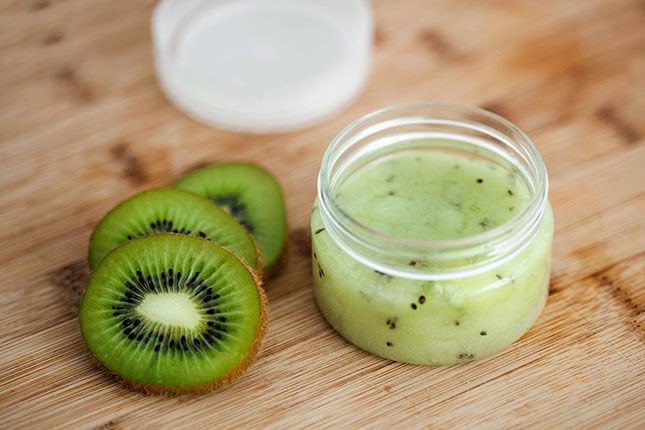
Probably not.  Like I said, scrubs are a great opportunity to eliminate toxins.  If you're going to try your hand at DIY skincare, they would be a great start - go on Pinterest and you'll find a million different options, several of which I've tried with a lot of success... and they're typically super cheap and easy to make.  Homemade facial scrubs can even be customized to your skin type, as you can learn here.
Image (c) Brit+Co


http://topmommyblogs.com


http://topmommyblogs.com

Tuesday, January 13, 2015

Is it "Safe?" - eos Smooth Sphere Lip Balm

I've done a lot of talking about what types of chemicals and toxins to avoid in your skin, nail, and hair care routines lately, so I thought that I'd go through my stash of beauty products and find something that we can really dive into.  I decided on a product that many, many, MANY women have bought in the past year or two - eos Smooth Sphere Lip Balm
This product is cute, comes in numerous flavors and colors, and has more celebrity endorsements than Wheaties.  I bought my first one about a year ago after seeing how obsessed my boss was with them - she literally collects them.  I'm pretty sure she has one of every color, even the new Visibly Soft flavors, Coconut Milk and Vanilla Mint (the striped packaging is adorable).  These are a bit pricier than "off brand" lip balms, but definitely still super affordable - I typically see them around $3-$4 each depending on where I'm shopping.

Are eos Lip Balm products "safe cosmetics?"

Each flavor varies slightly in ingredients, but the core components are the same.  Because blue is one of my favorite colors, we'll take a look at the ingredients of the Blueberry Acai flavor.

Ingredients:
Olea Europaea (Olive) Fruit Oil*, Beeswax/CERA ALBA (Cire d’abeille)*, Cocos Nucifera (Coconut) Oil*, Simmondsia Chinensis (Jojoba) Seed Oil*, Natural Flavor, Butyrospermum Parkii (Shea Butter)*, Stevia Rebaudiana Leaf/Stem Extract*, Helianthus Annuus (Sunflower) Seed Oil*, Tocopherol, Vaccinium Angustifolium (Blueberry) Fruit Extract*, Euterpe Oleracea (Acai) Fruit Extract*, Limonene**, Linalool**.  
*Organic. **Component of Natural Flavor. Certified Organic by Oregon Tilth. 

Quickly you'll notice that every single ingredient is classified as "organic," which is a huge step in the right direction for a lip balm.  Many lip balms contain petrolatum, a moisture barrier that can potentially cause cancer, among other things.  So... so far, so good!  Now here's a breakdown of each ingredient and what it's purpose is when used in cosmetics:
  • Olea Europaea (Olive) Fruit Oil: Used in beauty products most commonly as a conditioning agent, and can also be used in cooking as a healthy oil alternative.
  • Beeswax/CERA ALBA (Cire d’abeille): Commonly a moisture barrier when used in lip products and is considered a naturally safe ingredient.
  • Cocos Nucifera (Coconut) Oil: Can be used as a binding agent to keep beauty products in shape, and can also assist with bringing balance to dry skin.
  • Simmondsia Chinensis (Jojoba) Seed Oil: Naturally conditions skin and sometimes used as a stabilizer in cosmetics.
  • Butyrospermum Parkii (Shea Butter): Soothes dry and rough skin naturally - is also in many lotions and natural skin products.
  • Stevia Rebaudiana Leaf/Stem Extract: A masking agent and sometimes used for fragrance.
  • Helianthus Annuus (Sunflower) Seed Oil: A skin conditioner and cleansing agent in many natural beauty products.
  • Tocopherol: The fancy name for vitamin E, which is an antioxidant and skin conditioning agent.  If you want to get picky on this one, some studies have shown potential cancer concerns at extremely high doses - doses far higher than you'd ever see in a lip balm.
  • Vaccinium Angustifolium (Blueberry) Fruit Extract: Protects your skin and works as a soothing agent.
  • Euterpe Oleracea (Acai) Fruit Extract: A natural conditioning agent for the skin and hair.
  • Limonene: Made from a variety of citrus fruits, this liquid is used for flavor and fragrance.
  • Linalool: Natural floral scent, also used for flavor and fragrance.

Verdict: SAFE

Overall, this is a product that utilizes safe ingredients and has zero presence from the "dirty dozen" chemicals that are often hidden in our beauty products.  Given it's popularity, this is a major win in the battle for safe cosmetics.

Monday, January 12, 2015

The Scoop on Baby Wipes

I've been so focused on building a cloth diaper stash that wipes have taken a bit of a backseat to getting in the more "fun" diapering purchases.  But, with only five weeks left before Cozy Baby #2 gets here, it's time to consider baby wipes and our options.  To make things easier on myself, I'm separating baby wipes into four basic categories:

In considering the pro's and con's, a few of these really stick out to me... and I'm sure that you're likely assuming that I'm leaning toward the cloth ones, right?  Well, let's see:

Traditional Disposable Wipes

There are SO many different brands of disposable wipes that it would be extremely difficult to go over every option out there, so let's keep this basic: Brands like Pampers and Huggies have entire lines of wipes - normal, scented, unscented, sensitive skin, and even "natural."  Typically these types of wipes sell at a rate of $0.02-$0.05 per wipe.

The problem with more traditional (and readily available) baby wipes are the chemicals in them - which may include alcohol, perfume, chlorine, pthlalates, parabens, and dioxin.  These can be really harmful to your baby's skin - and result in the absorption of toxins into their bodies that could potentially cause hormonal issues and some forms of cancer.

Eco-Friendly Disposable Wipes

There are now a number of eco-friendly disposable wipes on the market that are safe for the environment, biodegradable and/or flushable.  These brands are typically harder to find and more expensive than more traditional disposable brands, averaging $0.05-$0.10 per wipe.  Popular brands include Seventh Generation and Earth's Best.

However great the word "biodegradable" might sound, and how nice "safe for the environment" seems, these wipes aren't necessarily good for your baby.  Many of these still contain alcohol, which can irritate baby's skin.  The majority are paraben, chlorine, and pthlalate-free though, which does make them the "lesser of two evils" in the great world of disposable wipes.

Name Brand Cloth Wipes

Many of the popular cloth diaper companies also have their own line of cloth wipes made out of various fabrics - flannel, cotton, hemp, and microfleece to name a few.  Popular brands for this option are Thirsties, bumGenius, and BabyKicks.  Much pricier per-wipe than their disposable counterparts, these wipes can cost anywhere from $1.00-$2.00 per wipe.

So why invest that much money into a wipe?  Simple - these are reusable.  They require the same washing routine as cloth diapers and contain zero chemicals that might harm your baby.  A single wipe could last you the entire 2.5 years that your baby is in diapers.

DIY Cloth Wipes

Cloth wipes don't need to be fancy name brand purchases.  In fact, soft baby washcloths or recycled washcloths/towels you already have in your home would do just fine as cloth wipes.  The thing to keep in mind is that your baby's skin will be sensitive, so don't select anything that has overly-rough fabric that might irritate your baby - and don't forget that microfiber isn't a fabric that can go directly onto baby's skin!  We have several MF cloths laying around the house and these are definitely not meant to be used on skin (for us or a baby).  Stick with natural fabrics - cotton and flannel are probably the easiest to find.

If utilizing washcloths you already own, this type of baby wipe could be completely free.

There is one "catch" with cloth wipes, though - they aren't a standalone product.  You do need to purchase additional items in order to make your name brand or DIY wipes work for you and your baby.

The most basic accessories are water and a spray bottle - your wipes need to be dampened prior to use, and water works just fine for this.  At home, the spray bottle might not be necessary - when you're out and about, a small travel-sized spray bottle with water in it will do the trick.

Also required for "on the go" cloth wipes, as with cloth diapers, is a wet bag to hold any used wipes.  This doesn't need to be fancy, but many different options are on the market for "cute" wet bags... though a ziploc bag will do in a pinch, products specifically labeled as "wet bags" are washable, and thus reusable.

Optional accessories include a wipe solution if you aren't comfortable with just using water (there's a great one available by bumGenius) and a wipe warmer if you'd like prepped wipes available for immediate use.  Wipe solution and a wipe warmer are options that I'm passing on for now, but many moms find them to make the whole process more convenient. 
http://topmommyblogs.com

Sunday, January 11, 2015

Chemicals in Cosmetics - What's in your makeup?

We've covered the chemicals in nail polish, so now let's talk about one of my other favorite subjects - makeup!  Cosmetics are such a staple of the "female experience" nowadays, but have we actually stopped to think about what's actually in our bronzers, concealers, lipsticks, and brow gels?  

It's important to keep in mind that cosmetics are applied directly onto the largest organ of our bodies - our skin.  Because of that, it's really important that we change our mindset about cosmetics and start to focus on what they do to our bodies, not just how they cover dark circles and pimples.  

So what are we putting on our bodies?  Commonly known as the "Dirty Dozen," cosmetics often contain BHA & BHT, coal tar dyes, DEA, dibutyl phthalate (DBP), preservatives, parabens, fragrances, PEG compounds, petrolatum, siloxanes, sodium laureth sulfate & triclosan.

Why are the "Dirty Dozen" harmful?  

  • Endocrine Disruptors: BHA & BHT, DBP, parabens, siloxanes, and triclosan are all potential endocrine disruptors.  These may create developmental, reproductive, neurological, and immune problems in humans - including reproductive issues, endometriosis, and cancer.
  • Cancer Causing Agent: BHA & BHT, coal tar dyes, DEA, preservatives, parabens, PEG compounds, petrolatum, and sodium laureth sulfate all have the potential to (or may be contaminated with chemicals that) cause cancer.  Parabens get a lot of news because they, in particular, are potentially linked to breast cancer.
  • Heavy Metals: Coal tar dyes are the culprit here - these dyes may contain heavy metals that are toxic to the brain.  Not good!
  • Create Antibiotic Resistant Bacteria: Triclosan is an antibacterial in cosmetic that may aid bacteria in becoming those scary "antibiotic resistant" bacterias that land people in the hospital.  Yikes!
  • Harmful to the Environment and Wildlife: BHA & BHT, DEA, DBP, and siloxanes have been linked to harming fish and other wildlife - don't hurt Nemo, folks!
  • Allergens & Breathing Problems: Some fragrances have been linked to asthma and are known allergens - and these chemicals are sometimes found even in products labeled "unscented."

Why are these chemicals in cosmetics at all?

Each of the "Dirty Dozen" serve a purpose in a wide variety of cosmetics and beauty products - ranging from deodorant to, shampoo, to lipstick, and everything in between - Here's a breakdown of their functions:
  • BHA & BHT: Preservative in both make-up products and moisturizers
  • Coal Tar Dyes: Pigment and coloring agent
  • DEA: Present in cream-based and foaming products - often shampoos and moisturizers
  • Dibutyl Phthalate (DBP): Plasticizer in nail products
  • Preservatives: Serve as preservatives... as you may have suspected
  • Parabens: Serve as preservatives
  • Fragrances: Scent agent in many beauty products
  • PEG Compounds: Present in many cream-based cosmetics
  • Petrolatum: In lip-balms as a moisture barrier and haircare products for shine
  • Siloxanes: Moisturizer, softener, and smoother in many types of cosmetics
  • Sodium Laureth Sulfate: Foaming agent in cleansers, bubble baths, and shampoos
  • Triclosan: Antibacterial agent in toothpaste, cleansers, and antiperspirants
Let's compare a few lipsticks to demonstrate the presence of these chemicals.  Because we're looking at lipstick, let's focus on coal tar dyes which can be located by seeking color index numbers (CI numbers) within the 75000 and 77000 ranges - below is a look at ILIA Lipstick, a lip product that is advertised as an organic product, and Revlon Super Lustrous Lipcolor, a typical drugstore brand.


BOTH products contain coal tar dyes - including the organic lipstick.  This is why it is critical that you really look into the ingredients of your beauty products - an organic label doesn't mean that the product is free of toxins.

What products are free of the "Dirty Dozen?"

After considering the above, what can you do to find natural and toxin-free cosmetics?  Don't fear - safe cosmetics DO exist!  There are a number of brands that specialize in toxin-free makeup and beauty products, including Coastal Classic Creations and Zosimos Botanticals.
 
http://topmommyblogs.com